
Hail Season in Arizona: What Homeowners Should Do Now
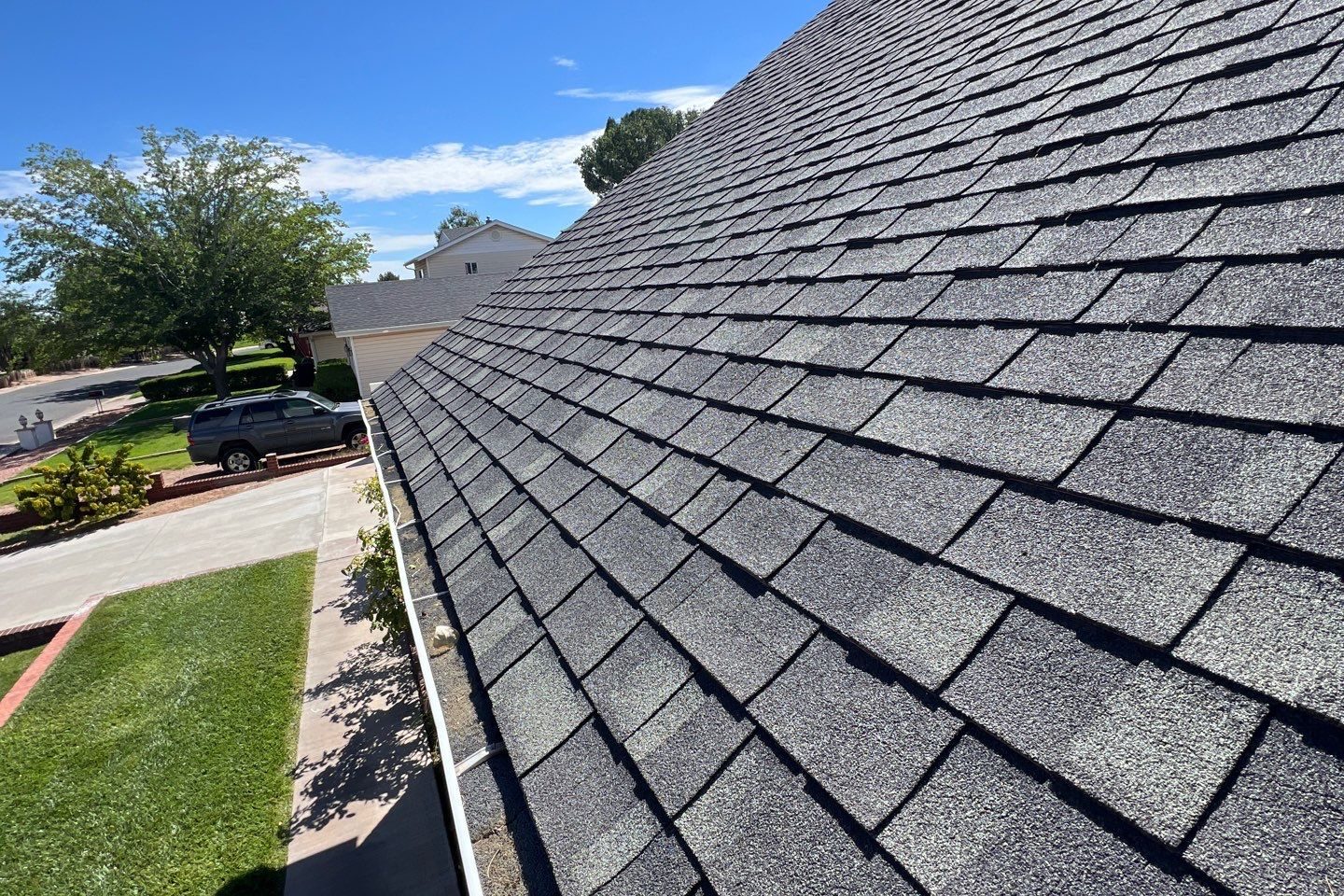
Arizona’s hail season peaks from July through September, with August as Arizona’s busiest month for hail events. The one thing to do right now: walk your roofline, photograph any vulnerable areas, and schedule a professional inspection before the next storm rolls in.
Do this today:
- Do a quick visual check of your shingles, flashing, and gutters from the ground
- Photograph your roof’s current condition (date-stamp every shot)
- Move vehicles into a garage or under cover before storm season ramps up
- Call a certified roofer for a pre-season inspection, especially if your roof is more than 10 years old
Key Takeaways
Arizona’s hail risk is real year-round, but August is the peak month, and the most damaging storms often arrive in fall when cool-season low-pressure systems produce larger, longer-lasting hail.
| Point | Details |
|---|---|
| Peak hail months | July–September carries the highest frequency; October–November brings the largest hail risk. |
| Inspect before season | Schedule a professional roof inspection before June 15 each year. |
| Material upgrade ROI | Class 4 impact-rated shingles or metal roofing can cut insurance premiums 20–30% with qualifying carriers. |
| Claim deadlines | Report damage to your insurer within 30–60 days; document with photos before any repairs begin. |
| Sladeroof’s role | Sladeroof provides pre-season inspections, impact-rated installations, and insurance claim assistance across Arizona with a 25-year leak warranty. |
Table of Contents
- How to keep your roof hail-resistant through Arizona’s climate
- Arizona’s hail damage claim deadlines you need to know
- What hail repairs actually cost in Arizona
- What Arizona’s hail history actually tells us
- How Sladeroof helps Arizona homeowners before and after hail
- Sources
How to keep your roof hail-resistant through Arizona’s climate
Arizona’s heat does as much long-term damage to a roof as any single hailstorm. UV exposure and thermal cycling, where temperatures swing from 110°F midday to the 70s overnight, crack sealants, loosen fasteners, and degrade shingles faster than in cooler climates. Arizona’s heat can weaken roofs over time, making them more vulnerable during hail events.
Annual inspections are the baseline. Have a roofer check flashing seals, ridge caps, and any penetrations (vents, skylights, pipes) every spring before monsoon season opens in mid-June. Gutters packed with granules are a warning sign: granule loss means your shingles are losing their impact buffer.
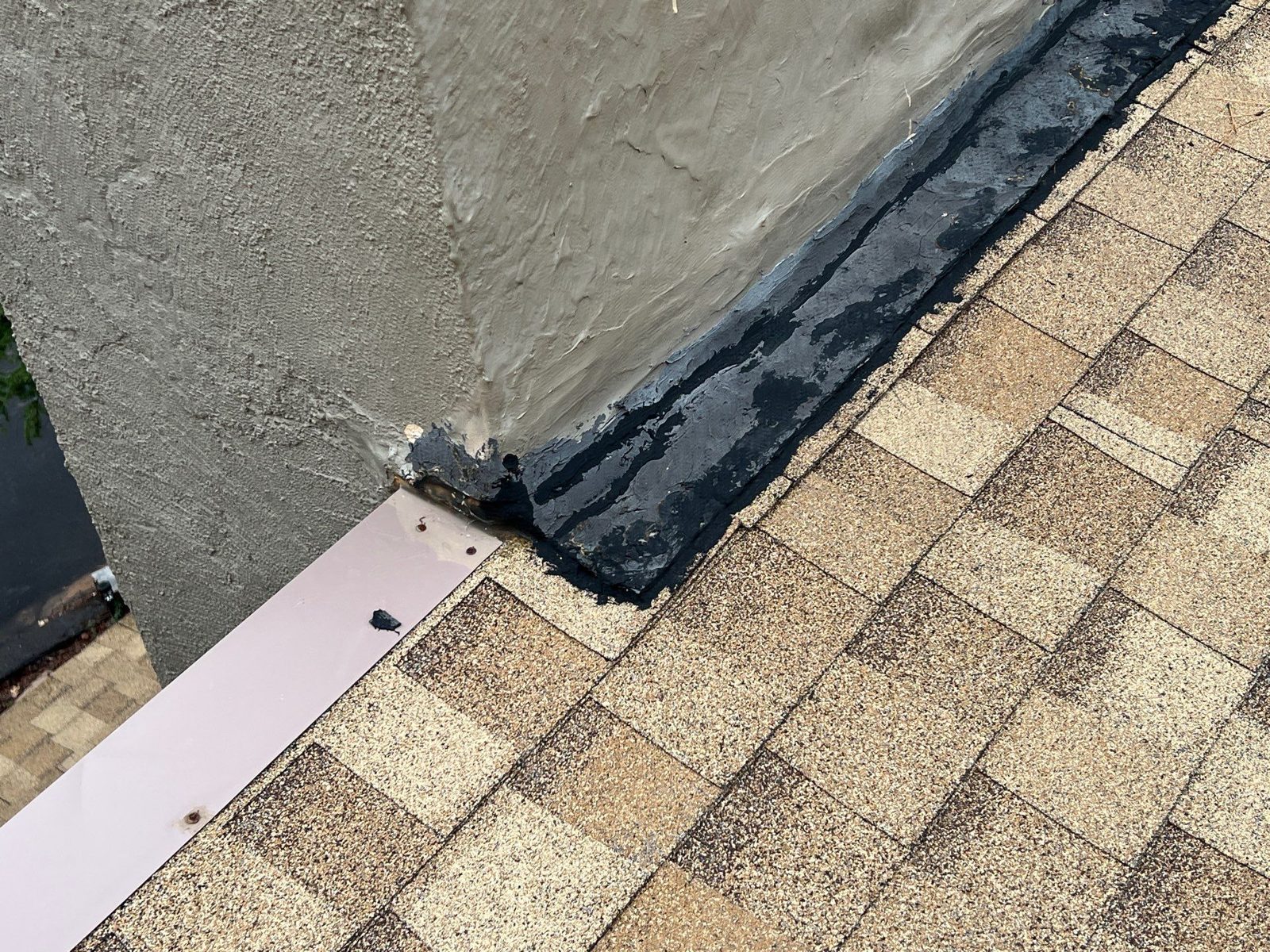
For long-term protection, the material choice matters more than any single maintenance task. Class 4 impact-resistant shingles rated UL 2218 are tested by dropping a 2-inch steel ball from 20 feet and graded 1–4, with Class 4 being the toughest. Standing-seam metal roofs handle hail well because there are no exposed fasteners to dent or loosen. Stone-coated steel combines the look of tile with metal’s durability. All three hold up better than standard three-tab asphalt in Arizona’s combined heat-and-hail environment.
Seasonal maintenance can also extend your manufacturer warranty, which matters when you’re filing a claim years after installation.
Arizona’s hail damage claim deadlines you need to know
Arizona gives homeowners two years from the date of a loss to file a lawsuit related to an insurance claim under the state’s general contract statute of limitations, but your policy’s internal deadlines are almost always shorter. Most homeowner policies in Arizona require you to report a loss “promptly” or within 30–60 days of discovery. Missing that window can give your insurer grounds to deny the claim entirely.
Document everything before you touch the damage. Photograph hail size (a coin next to a stone works), dented gutters, cracked shingles, and any interior water intrusion. Keep the damaged materials: adjusters often want to see physical evidence. Get a written estimate from a licensed Arizona contractor before signing anything with a public adjuster.
One practical note: Arizona’s insurance claim process works best when you have a roofer and an adjuster inspect together. A roofer who understands insurance documentation, like Sladeroof’s team, can flag damage the adjuster might miss.
What hail repairs actually cost in Arizona
A standard hail inspection runs $150–$300 if you pay out of pocket, though many contractors offer free inspections when a replacement is likely. Partial repairs (replacing a section of damaged shingles) typically run $500–$1,500. A full residential roof replacement in Arizona can vary widely in cost depending on size, pitch, and material choice.
Your deductible is the real variable. Many Arizona policies now carry percentage-based wind/hail deductibles, often 1–2% of the home’s insured value. On a $350,000 home, that’s $3,500–$7,000 out of pocket before insurance pays anything.
If cost is a barrier, ask your contractor about manufacturer financing programs or phased repair plans. Sladeroof offers payment options and can walk you through what your policy actually covers before work begins.
What Arizona’s hail history actually tells us
Arizona recorded 1,198 hail events between 1955 and 2024, with August alone accounting for the largest share of incidents. Most events cluster in July–September, driven by the official monsoon window of June 15–September 30.
But frequency doesn’t equal severity. ASU state climatologist Erinanne Saffell points out that monsoon storms are often too hot and disorganized to produce large hail consistently. The most damaging events tend to come from cooler, well-organized fall low-pressure systems that generate stronger wind shear and updrafts. The National Weather Service confirms this pattern: the October 5, 2010 Phoenix-area storm is one of the most destructive on record, and Arizona’s largest documented hailstone, a 4.5-inch stone in Mayer, fell in 1995 outside monsoon season entirely.
Phoenix and Tucson see frequent but shorter hail events tied to convective monsoon storms that form when surface temperatures hit 100°–108°F. Northern Arizona and Flagstaff, sitting at higher elevations with cooler base temperatures, face a different risk profile: storms there can sustain larger hail for longer.
| Month | Typical risk level | Notable events |
|---|---|---|
| June | Low–moderate | Season opens June 15 |
| July | High | Monsoon peak begins |
| August | Highest | Most events on record |
| September | High | Monsoon closes Sept. 30 |
| October–November | Moderate | Cool-season lows; larger hail possible |
Pro Tip: After any storm, check your downspouts for a surge of granules. Granule loss is the clearest early sign of shingle impact damage, and it’s visible without climbing onto the roof.
Hail events can also co-occur with flash flooding. Southern Arizona towns saw rapid hail accumulation alongside flood damage in August 2026, a reminder that storm impacts often compound quickly.
How Sladeroof helps Arizona homeowners before and after hail
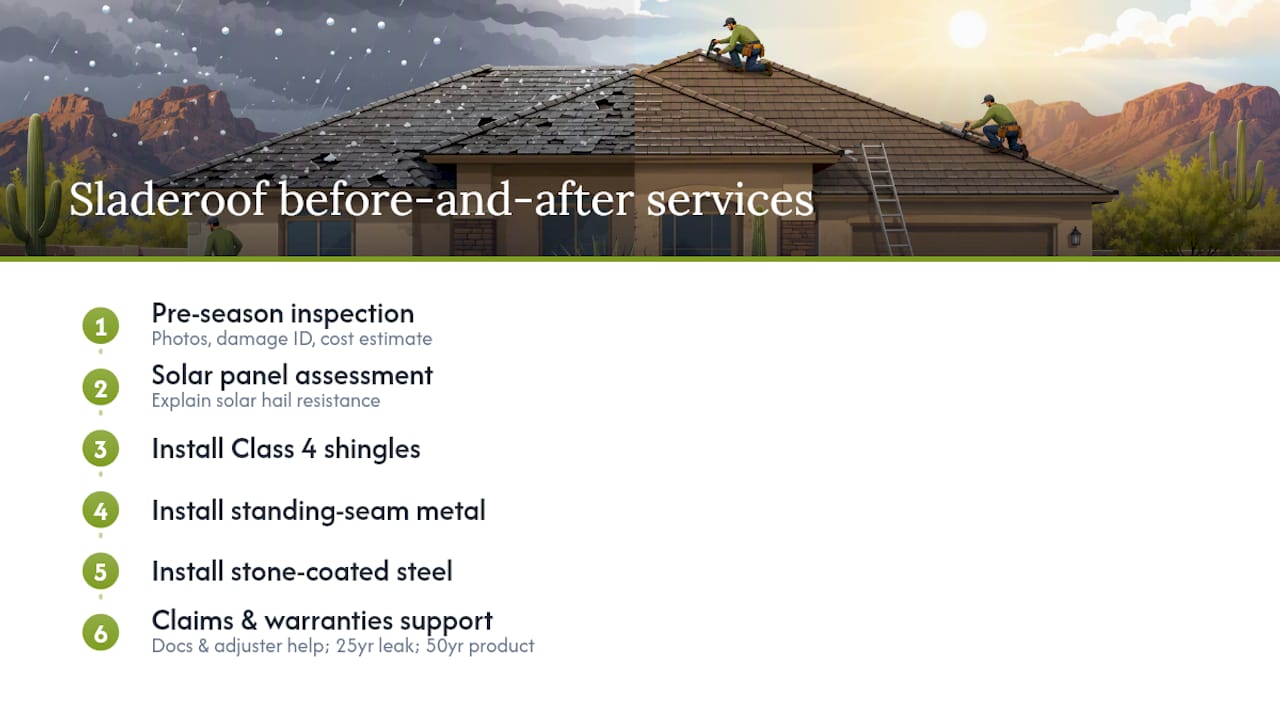
Sladeroof brings over 20 years of combined roofing and insurance experience to Arizona homeowners who need more than a patch job; learn more about how solar panel hail resistance works to protect your home’s rooftop technology. The team handles pre-season inspections, installs Class 4 impact-rated shingles, standing-seam metal, and stone-coated steel, and walks you through the insurance claim process from documentation to adjuster coordination.

Every installation comes with a 25-year leak warranty and a 50-year product warranty, covering you well past the typical policy renewal cycle. Sladeroof serves communities across Arizona, including Snowflake, Springerville, Eagar, Heber, and surrounding areas. During an inspection, the team photographs your roof, identifies impact damage, provides a preliminary cost estimate, and prepares the documentation your insurer needs.
Schedule a roof inspection before the next storm season peaks. If you’re weighing a full replacement, the residential roofing services page outlines material options and warranty details so you can compare before committing.
Sources
- ASU climatologist forecasts stormy summer
- October 5, 2010 - Largest Hail Recorded in Phoenix
- Basics of the Arizona Monsoon & Desert Meteorology | School of Geographical Sciences and Urban Planning
- Mapscaping
- ADOT monsoon information
This article provides general information for U.S. homeowners and is not a substitute for professional roofing or insurance advice. Verify current policy terms and claim deadlines directly with your insurer.
Recommended
Ready for a real answer on your roof?
Slade Roofing pairs licensed insurance agents with licensed roofers. Get your free inspection in about 30 seconds.
Get My Free Inspection →