
Lifetime Shingle Warranty: What Homeowners Must Know
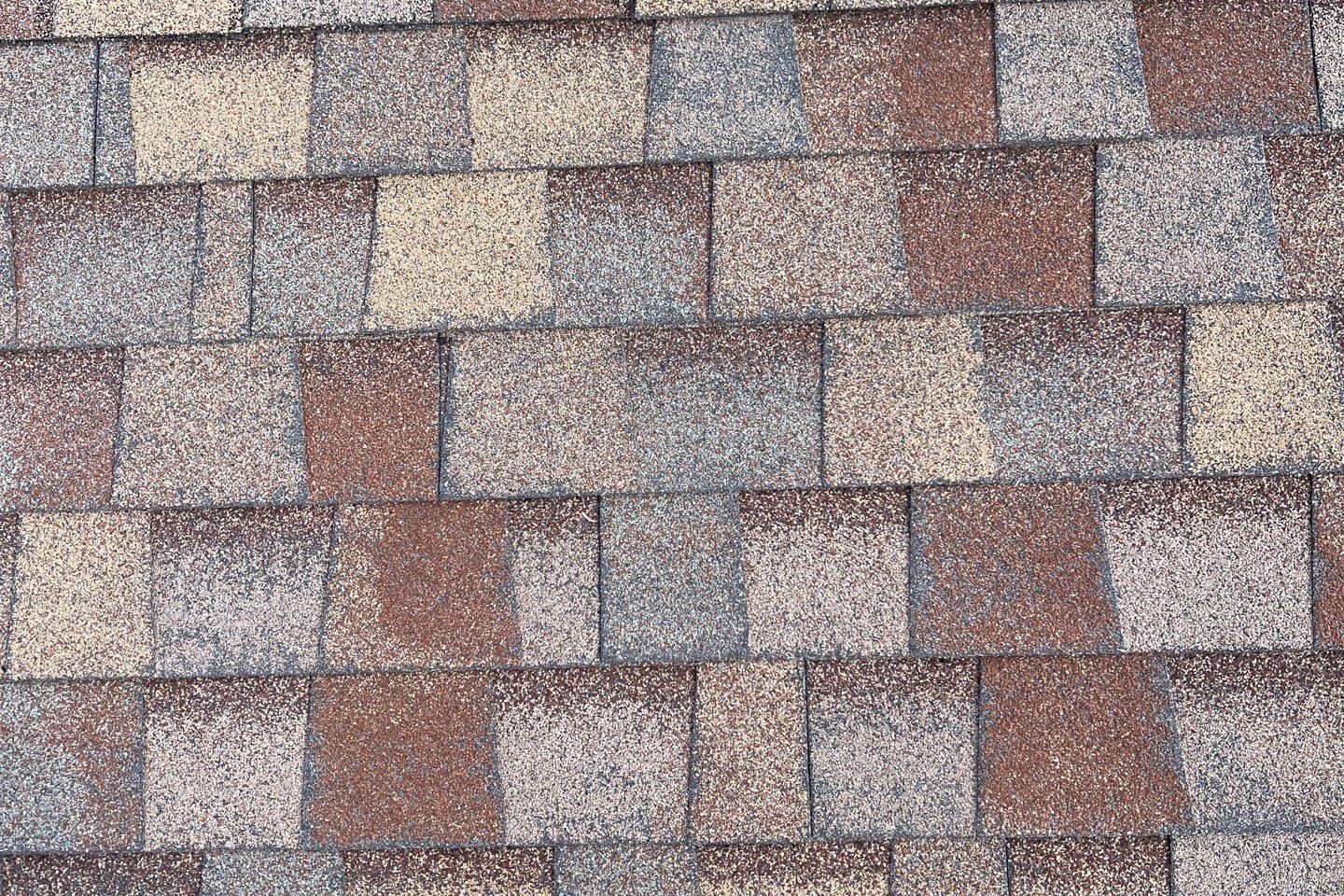
A lifetime shingle warranty does not cover your lifetime. It covers the original owner’s time in the home, and only for manufacturing defects — not storm damage, normal aging, or a contractor’s mistakes. That distinction matters more than the headline label.
Here is what you need to know before signing a roofing contract:
- “Lifetime” is owner-based. Coverage runs as long as the original purchaser owns the home. Once you sell, the warranty either transfers under strict conditions or shrinks significantly.
- Coverage is often prorated after an initial non-prorated period. The initial years typically offer the strongest protection. After that, the manufacturer’s contribution decreases on a schedule published in the warranty PDF.
- Installation and qualifying accessories are not optional. Miss a required hip-and-ridge product or use the wrong starter strip, and you may lose enhanced coverage entirely, regardless of what the shingle label says.
The major U.S. manufacturers covered in this article are GAF, IKO, Owens Corning, TAMKO, and Malarkey. Each publishes a warranty PDF with an Information Table, a definition of “Lifetime,” and a proration schedule. Read those three sections before anything else.
Key Takeaways
A lifetime shingle warranty covers manufacturing defects for the original owner only, and the manufacturer’s actual payout shrinks significantly after the non-prorated period ends.
| Point | Details |
|---|---|
| “Lifetime” is owner-based | Coverage runs while the original owner owns the home, not for any fixed number of years. |
| Non-prorated period matters most | The first 10–15 years offer full material coverage; after that, the manufacturer’s share decreases on a published proration schedule. |
| Accessories and installation are required | Missing a qualifying starter strip or hip-and-ridge product can eliminate enhanced coverage, regardless of the shingle brand. |
| Transfer coverage is limited | Transferee coverage is typically capped at a fixed term (often 10 years from original installation) and must be filed within 60–120 days of sale. |
| Sladeroof documents every install | Sladeroof provides product codes, lot numbers, photos, and warranty registration to protect your claim from day one. |
Table of Contents
- What does a lifetime shingle warranty actually cover?
- What can void or limit your lifetime warranty coverage?
- How does prorated vs. non-prorated coverage work?
- How does a lifetime warranty transfer when you sell your home?
- How to file a lifetime shingle warranty claim
- Are lifetime shingles worth it? A homeowner decision checklist
- How a professional installation preserves your warranty
- What experienced roofers see that homeowners miss
- Warranty-safe roofing from Sladeroof: get started today
- Manufacturer warranty documents to read next
- Sources
What does a lifetime shingle warranty actually cover?
The industry term you will see in manufacturer documents is “limited lifetime warranty” — not a blanket guarantee. Coverage is limited to manufacturing defects that materially affect the shingle’s ability to shed water. That is a narrow definition, and it excludes a long list of common damage scenarios.
What is typically covered
Manufacturing defects are the core of any lifetime limited warranty shingles claim. If a shingle delaminates, loses granules abnormally fast due to a production flaw, or fails to seal because of a defective adhesive strip, those are legitimate warranty events. The manufacturer’s remedy is usually material replacement, a prorated cash contribution, or a labor payment certificate — not a free full roof replacement.
Owens Corning’s warranty page makes clear that coverage scope varies by product line, so the terms on a premium Duration shingle differ from those on a standard entry-level product. Always pull the product-specific PDF, not just the brand’s general warranty page.
What is typically excluded
Normal weathering, granule loss from foot traffic, color variation, and algae staining (unless you purchased an algae-resistance warranty) are almost universally excluded. Storm damage, wind damage above the warranty’s stated wind speed limit, hail, and ice damage are separate events covered by your homeowner’s insurance policy, not the shingle manufacturer.
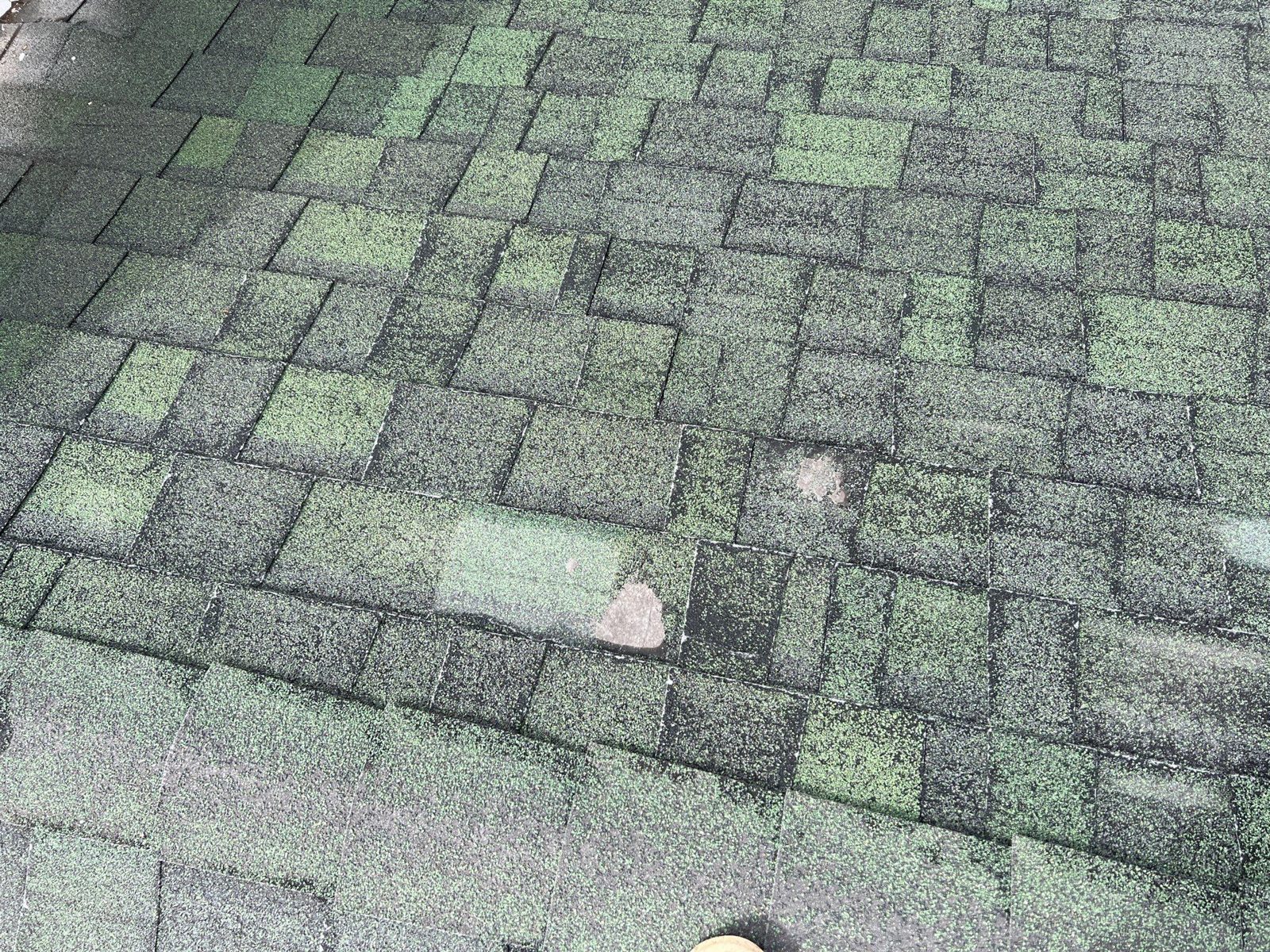
Workmanship is excluded from the product warranty unless the contractor carries a separate workmanship warranty or the manufacturer offers a system-level program (more on that below). Consequential damage — water intrusion that ruins your attic insulation or drywall — is also excluded in most standard warranty language.
Separate warranties you may see alongside the product warranty
Most manufacturers layer additional limited warranties on top of the base product coverage:
- Wind warranty: covers shingle blow-off up to a stated wind speed (often 110–130 mph with qualifying accessories, sometimes higher with enhanced system programs). Requires specific starter strips and fastening patterns.
- Algae-resistance warranty: covers staining from algae growth for a defined period, often with a dollar-per-square cap on cleaning costs.
- Non-prorated “start” period: TAMKO calls this the “Full Start” period; Malarkey calls it the “Right Start” period. During this window (often 10 years), the manufacturer covers material and sometimes labor at full value.
- System or enhanced warranty: GAF’s enhanced Lifetime limited warranty requires installing a Lifetime shingle plus at least three qualifying GAF accessories. Malarkey’s Certified Pro warranty requires a certified installer and specified accessory combinations.
Keep in mind that IKO’s warranty documents explicitly state that a warranty is not a guarantee of useful life — it covers defects, not the passage of time.
What can void or limit your lifetime warranty coverage?
Most warranty denials do not happen because the shingles failed. They happen because something in the installation, maintenance, or documentation chain broke down. Here are the most common issues:
- Wrong starter strip or hip-and-ridge product. GAF and Malarkey both condition enhanced coverage on using manufacturer-specified accessories. A generic starter strip from a different brand can disqualify the enhanced warranty entirely.
- Improper nailing. Too few nails, nails placed in the wrong zone, or overdriven nails that break the mat are among the most frequently cited installation defects in denied claims.
- Inadequate ventilation. Proper attic ventilation is a manufacturer requirement in virtually every warranty document. Insufficient airflow causes premature aging that manufacturers attribute to installation error, not product defect.
- Solar panel installation without manufacturer approval. Adding rooftop solar after installation can void coverage if the penetrations and mounting hardware are not approved. Review the specific implications before any solar project.
- Use on non-eligible structures. TAMKO’s Limited Lifetime Warranty applies only to single-family residences. Multi-family or commercial applications require a different warranty product.
- Missing or late registration. Some enhanced warranties require registration within a specific window after installation. Miss the deadline and you may drop from an enhanced system warranty back to a standard product warranty.
- Failure to maintain. Clogged gutters, unaddressed moss or algae growth, debris accumulation, and ignored minor leaks are all cited in denied claims as evidence of owner neglect rather than product failure.
The proof burden falls on the homeowner. When you file a claim, the manufacturer will ask for the original invoice showing the shingle product codes, the installer’s name and license number, photos of the installation, and often an inspection report. If those documents do not exist, the claim stalls.
Pro Tip: Ask your contractor for a copy of the shingle packaging labels or lot numbers at the time of installation. These codes are the fastest way to confirm the product installed matches the warranty registration, and they are nearly impossible to reconstruct years later.
Seasonal maintenance is not just good practice — it is a documented requirement that protects your ability to file a valid claim.
How does prorated vs. non-prorated coverage work?
This is where most homeowners overestimate what a 50-year shingle warranty or lifetime label will actually pay out.
The non-prorated period
During the initial non-prorated window — often 10 years for standard products, sometimes 15 or more for enhanced system warranties — the manufacturer covers the full cost of replacement materials and, in some programs, labor. TAMKO’s “Full Start” period and Malarkey’s “Right Start” period both operate this way. A valid claim during this window is the closest thing to a genuine full-replacement guarantee.
How proration works after that period
Once the non-prorated period ends, the manufacturer’s contribution shrinks based on a formula tied to how many months the shingles have been installed. IKO’s warranty, for example, uses month-based reduction figures — a ratio like 384/480 — to determine what percentage of the original material cost the manufacturer will cover. The denominator represents the total warranty term in months; the numerator represents the months remaining. As time passes, the numerator shrinks and so does the payout.
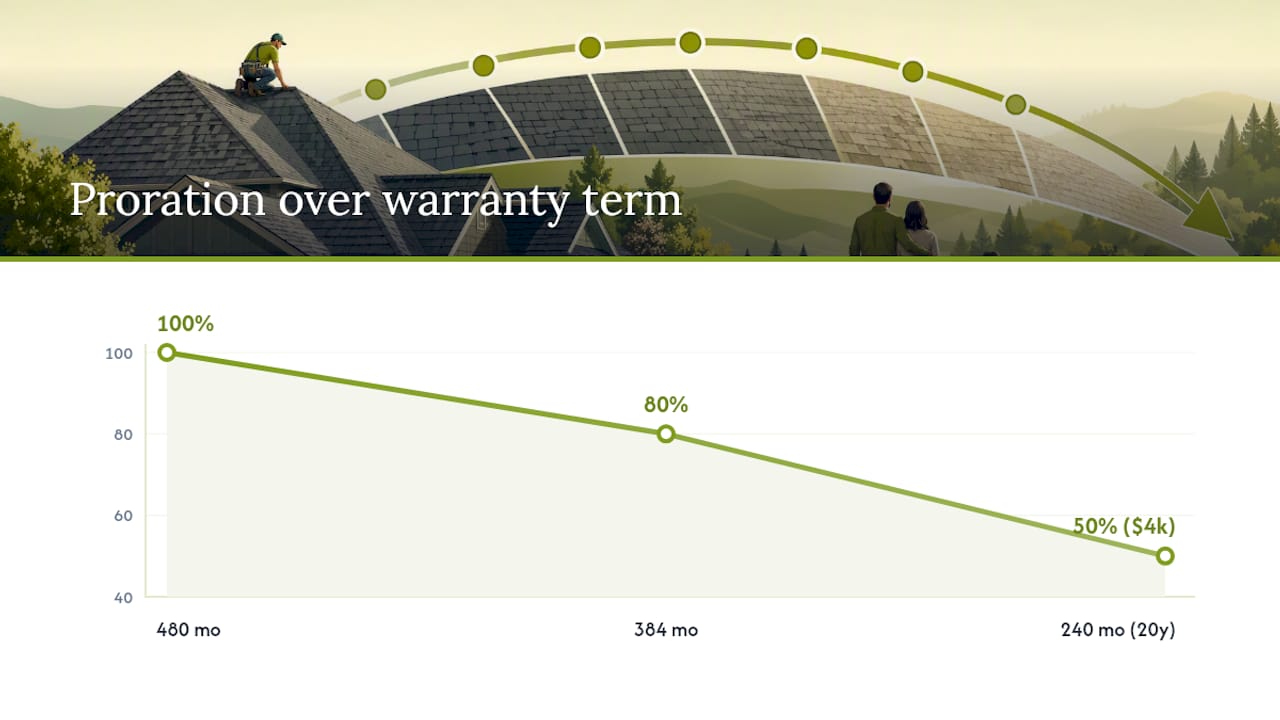
GAF uses a proration approach applying to a multi-decade reference period for certain warranty tiers. Manufacturers sometimes use non-intuitive denominators, so always request the exact proration math from the warranty PDF and verify the calculation before accepting a settlement offer.
A simple example: Suppose your shingles were installed 20 years ago and the warranty term is 480 months (40 years). At the time of your claim, 240 months have been used. If materials cost $8,000, the manufacturer contributes roughly $4,000 — and you cover the rest, plus all labor.
Key figure: IKO’s warranty documents show that after the non-prorated period, labor reimbursement shifts to a labor payment certificate with a maximum value that itself decreases over time. Algae cleaning reimbursements have maximum coverage limits. The headline “lifetime” coverage and the actual settlement check can look very different.
Beyond materials, manufacturers often provide a labor payment certificate rather than direct labor reimbursement, and that certificate carries its own prorated cap. Understanding what makes high-quality shingles worth the investment includes understanding this math before you buy.
How does a lifetime warranty transfer when you sell your home?
Most lifetime limited warranty shingles allow a one-time transfer to the next owner, but the rules are strict and the window is short.
Typical transfer rules
Transfer coverage is almost always capped. The new owner does not inherit the full remaining lifetime coverage — they typically receive a fixed term (often 10 years from the original installation date, or a set number of months) at a prorated value. IKO’s warranty documents, for instance, cap transferee rights and set a notification window that must be met for the transfer to be valid.
The transfer usually must be filed within 60–120 days of the home sale. Miss that window and the warranty does not transfer at all. Some manufacturers charge a transfer fee; others do not, but all require written notification with supporting documentation.
What to include in the sale paperwork
Sellers should prepare a warranty transfer package before closing: the original installation invoice (with shingle product codes and lot numbers), the contractor’s name and license, the warranty registration confirmation, and any inspection records. Buyers should request this package as a condition of closing and confirm the transfer deadline has not already passed.
A buyer who discovers post-closing that the transfer window expired has no recourse against the manufacturer. That is a negotiating point worth raising before the sale is final.
How to file a lifetime shingle warranty claim
- Document the problem immediately. Take dated photos of every affected area — close-ups of the shingle failure and wide shots showing the roof section. Note when you first observed the issue and whether any weather events preceded it.
- Contact your installing contractor first. Many manufacturers require the original installer to initiate or co-sign the claim. The contractor may also conduct a preliminary inspection and confirm whether the failure looks like a manufacturing defect or an installation issue.
- Contact the manufacturer’s warranty department. Each manufacturer has a claims process — usually a phone number and an online form. Submit your documentation package: proof of purchase, installation date, installer identity, photos, and any inspection reports.
- Cooperate with the manufacturer’s inspection. The manufacturer may send an authorized inspector or request an independent inspection report. Inspectors evaluate ventilation, deck condition, and installation details — all of which affect whether the failure is classified as a defect or an installation/maintenance issue.
- Keep a complete record of all communications. Save every email, letter, and call log with dates and names. If the claim is denied, this record is your foundation for an appeal.
- Review the remedy offered. Manufacturers typically respond with one of three outcomes: material replacement (shingles only), a labor payment certificate, or a prorated cash contribution. Read the offer carefully against the proration table in your warranty PDF before accepting.
- Escalate if necessary. If you believe the denial is incorrect, file a written appeal with the manufacturer’s warranty department. Most warranty documents include an arbitration clause as the final dispute resolution step. Realistic timelines run from a few weeks for straightforward claims to several months for disputed ones.
Pro Tip: Never accept a verbal settlement offer. Request the remedy in writing, and compare the prorated math to your warranty PDF before signing any release.
Are lifetime shingles worth it? A homeowner decision checklist
The honest answer is: it depends on how long you plan to stay, where you live, and whether the installation is done correctly.
When a lifetime warranty adds real value
If you plan to own the home for more than 15 years, the non-prorated period gives you meaningful protection during the years when a manufacturing defect is most likely to surface. A valid claim in year 8 on a premium shingle system can save thousands. For homeowners in Idaho, Arizona, or Wyoming — where hail, wind, and temperature swings are common — pairing a lifetime limited warranty with an impact-resistant or wind-rated shingle system compounds the value.
Resale is another factor. A transferable warranty with documentation in order is a selling point. Buyers notice it, and it can shorten negotiation time on the roof’s condition.
When the premium may not be justified
Short-term owners (under 7–10 years) will likely sell before the non-prorated period ends, and the transfer rules mean the buyer gets reduced coverage anyway. In that scenario, a mid-grade shingle with a 30-year limited warranty installed correctly may deliver better value per dollar than a premium lifetime product installed carelessly.
Contractor quality matters more than the warranty label. A premium shingle installed by an uncertified contractor who skips the qualifying accessories is worth less — from a warranty standpoint — than a mid-grade shingle installed by a certified contractor with full documentation.
Three scenarios and recommended next steps
Long-term owner (10+ years planned): Prioritize a system-level warranty (GAF enhanced Lifetime, Malarkey Certified Pro) with a certified installer. Verify accessory requirements and register the warranty within the required window.
Selling within 5–7 years: Focus on a clean installation with full documentation so the transfer package is ready at closing. The warranty’s transfer value to the buyer may matter more than the coverage you personally use.
Buyer evaluating an existing roof: Request the original installation invoice, warranty registration, and transfer documentation before closing. Confirm the transfer window has not expired and that the shingles are within the non-prorated period if possible.
How a professional installation preserves your warranty
A warranty-safe installation is mostly a documentation exercise. The right products, installed correctly, with the paperwork to prove it — that is what makes claims succeed.
Here is what to verify before and during your installation:
- Qualifying starter strips: Confirm the contractor is using the manufacturer’s specified starter product, not a generic alternative. This is a hard requirement for enhanced system warranties from GAF and Malarkey.
- Hip-and-ridge products: The matching hip-and-ridge cap must come from the same manufacturer’s qualifying accessory list. A mismatched product can disqualify enhanced coverage.
- Nail count and placement: Most manufacturers specify four nails per shingle minimum, placed in the nailing zone printed on the shingle. Six nails are required in high-wind zones. Ask to see the installation instructions and confirm the pattern before work begins.
- Roof deck condition: Rotted or uneven decking must be replaced before shingles go down. Manufacturers can and do cite deck condition as a contributing factor in denied claims.
- Ventilation calculation: The installer should document the intake and exhaust ventilation ratio. Many manufacturers require a minimum of 1 square foot of net free ventilation area per 150 square feet of attic floor space.
- Approved accessories throughout: Underlayment, ice-and-water shield, and ventilation products should all appear on the manufacturer’s qualifying accessory list if you are pursuing an enhanced system warranty.
After installation, Sladeroof documents shingle product codes and lot numbers, records nail patterns with photos during the install, and provides warranty registration confirmation — the three items manufacturers most frequently request when a claim is filed.
Pro Tip: Request pre-installation and post-installation photos from your contractor, along with a signed installation checklist that lists the specific products used and their lot numbers. Store these with your warranty PDF. If a claim arises five years from now, this package is the difference between a fast approval and a long dispute.
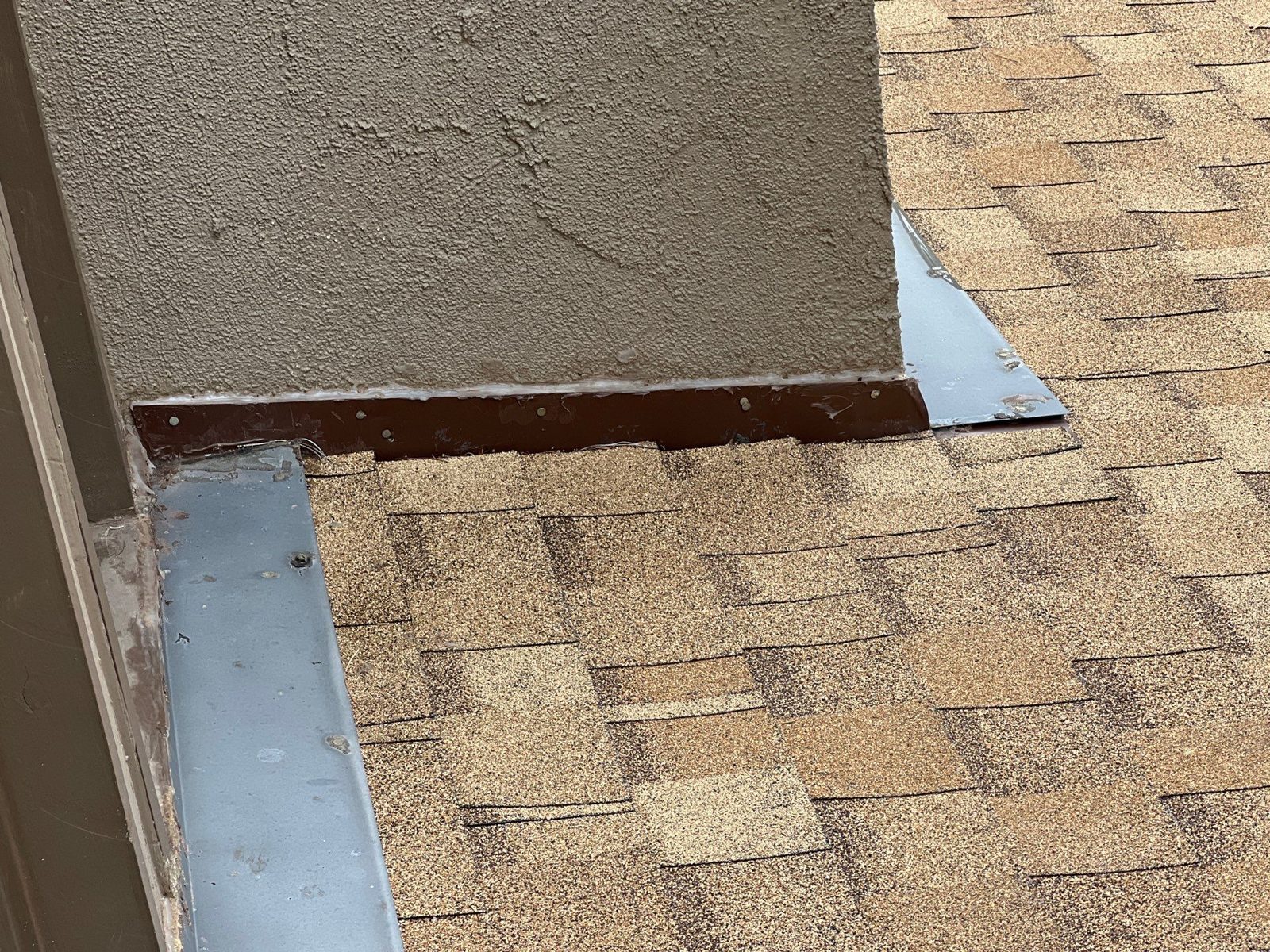
Knowing how to pick a good roofer is the single most effective step you can take to protect your warranty before a shingle is ever nailed down.
What experienced roofers see that homeowners miss
The gap between what a lifetime warranty promises and what it pays out is almost always a documentation gap, not a product gap.
Most homeowners assume the warranty is the manufacturer’s problem to manage. In practice, the burden of proof sits entirely with the homeowner. When a claim comes in, the manufacturer’s inspector is not there to help you — they are there to determine whether the failure meets the warranty’s narrow definition of a covered defect. Ventilation problems, improper accessories, and missing paperwork are the three fastest paths to a denial, and all three are preventable at installation time.
The most common field mistake is a contractor who installs a premium shingle but skips the manufacturer’s qualifying accessories to save money or because they had leftover stock from another job. The homeowner has no idea. Years later, when a claim is filed, the manufacturer pulls the accessory requirement from the warranty PDF and the enhanced coverage disappears. The homeowner is left with a standard product warranty — or nothing, if the accessories were from a different manufacturer entirely.
One quick example: a homeowner files a claim in year 12 after noticing shingle separation. The installer used a non-qualifying hip-and-ridge product. The manufacturer denies the enhanced Lifetime claim and offers only a prorated standard warranty contribution — a fraction of the replacement cost. The homeowner had no idea the accessory mattered. The installer never mentioned it.
That is why Sladeroof’s installation process follows manufacturer accessory checklists by product line, not by habit. It is also why we recommend a roof inspection before filing any warranty claim — an independent inspection report strengthens your position and often surfaces issues the manufacturer’s inspector would otherwise use against you.
Warranty-safe roofing from Sladeroof: get started today
Sladeroof brings over 20 years of combined roofing and insurance expertise to every installation in Idaho, Arizona, and Wyoming. The difference from a standard contractor is what happens before the first shingle goes down: a documented accessory checklist, product code verification, ventilation calculation, and warranty registration handled on your behalf.

Homeowners who work with Sladeroof receive extended leak and product warranties alongside the manufacturer’s coverage — not instead of it. That layered protection means fewer gaps between what the manufacturer covers and what you actually need. Every installation is documented with photos, lot numbers, and signed checklists so that if a claim arises years from now, the paperwork is already in order.
Ready to protect your roof the right way? Request a free residential roofing quote and get a warranty-focused installation plan built for your home and climate.
Manufacturer warranty documents to read next
The fastest way to verify your specific coverage is to pull the manufacturer’s warranty PDF and read three sections in this order: the definition of “Lifetime,” the Information Table (which contains the proration schedule and wind/algae limits), and the Transferability and Installation Requirements sections.
- GAF Roofing System Warranty: Best for understanding the enhanced Lifetime definition, Smart Choice Protection periods, and the three-accessory requirement for system-level coverage.
- IKO Limited Warranty for Asphalt Shingles: The most detailed proration tables and month-based reduction figures of any major manufacturer; also includes explicit transfer rules and labor certificate terms.
- Owens Corning Roofing Shingle Warranties: Use this page to compare warranty tiers across product lines and find the registration steps for your specific shingle.
- TAMKO Limited Lifetime Warranty: Clear summary of the Full Start non-prorated period, single-family eligibility, wind limits, and starter shingle requirements for high-wind installations.
- Malarkey Certified Pro Warranty: Covers Right Start periods, certified installer requirements, accessory combinations for enhanced coverage, and one-time transfer rules.
- NACHI: Mastering Roof Inspections — Asphalt Composition Shingles: An inspector’s-eye view of the ventilation, deck condition, and installation details that manufacturers examine when evaluating warranty claims.
Sources
- GAF Roofing System protected by a Lifetime Warranty
- LIMITED LIFETIME WARRANTY
- Roofing Shingle Warranties
- Mastering Roof Inspections: Asphalt Composition Shingles …
Recommended
Ready for a real answer on your roof?
Slade Roofing pairs licensed insurance agents with licensed roofers. Get your free inspection in about 30 seconds.
Get My Free Inspection →