
What a Roof Claim Denial Really Means, and What to Do First
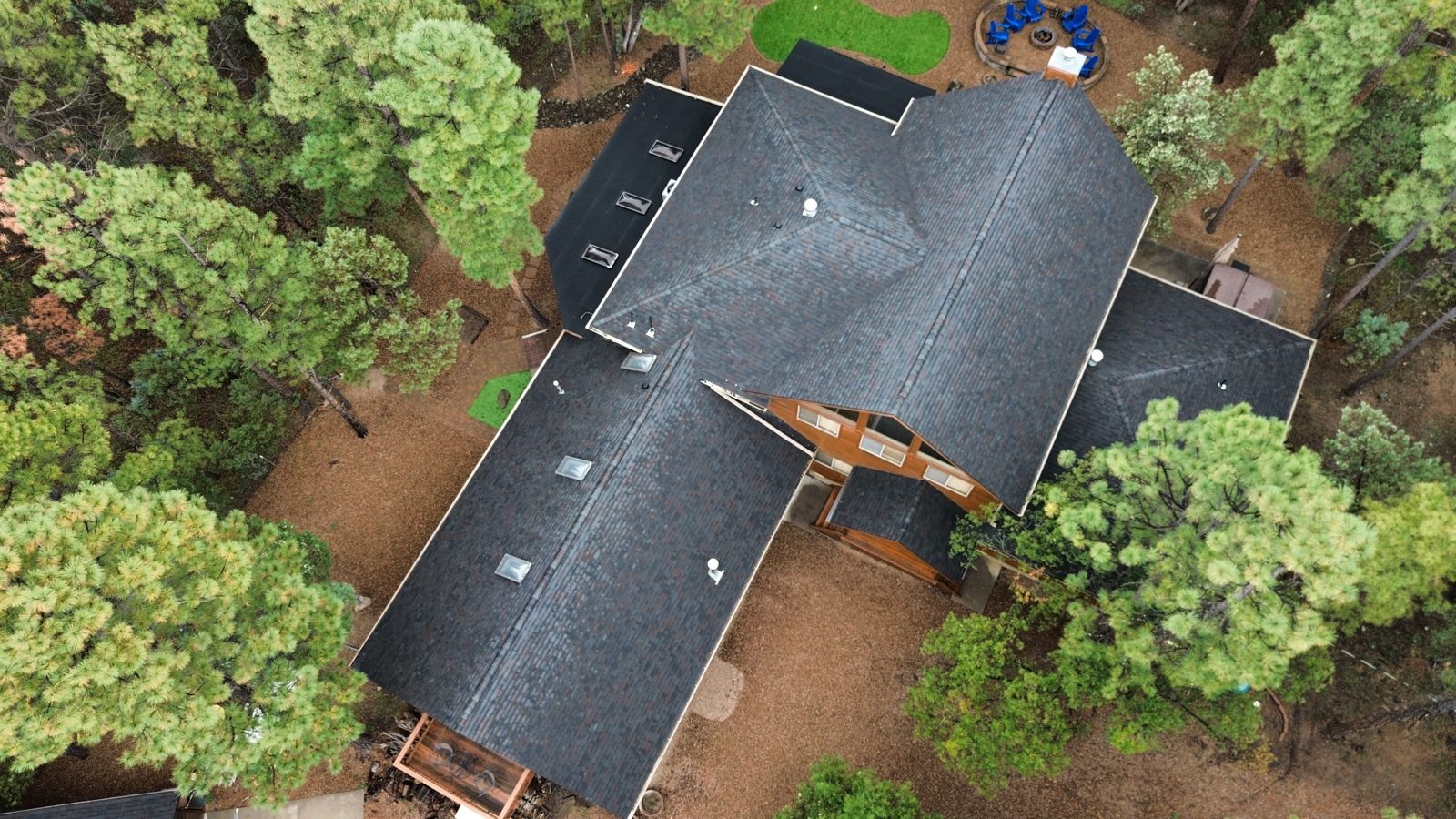
A denied roof claim isn’t a verdict. It’s the insurer’s current decision, based on the specific reason printed in your denial letter, and that reason is your roadmap. Read it word for word before you do anything else. It tells you whether you’re missing evidence, running into a policy exclusion, or facing a genuine coverage gap, and each of those calls for a completely different response.
Your first move is simple: get the denial in writing if you don’t already have it, and don’t sign off on permanent repairs or a full tear-off until an independent inspector has documented the roof or the carrier has formally refused a second look. Replacing the roof early destroys the evidence you need to appeal.
From there, you’re choosing between two paths. If the denial cites “no damage found” or missing documentation, you gather better evidence and appeal. If it cites a genuine exclusion or a coverage dispute, you may need to escalate to your state’s Department of Insurance or talk to an attorney.
- Get the denial letter in writing and highlight the exact policy language cited
- Photograph and video the roof and any interior damage before you touch anything
- Hold off on permanent repairs until an independent inspection happens
- Request your full claim file, including adjuster notes and photos
Quick fact: Many state insurance codes require carriers to give a written reason for every denial. That single sentence in your letter determines whether reopening the claim is even possible.
Key Takeaways
A denied roof claim is reversible in most documentation-based cases, but the specific reason cited in the denial letter determines whether reinspection, appeal, or legal escalation is the right next step.
| Point | Details |
|---|---|
| Read the denial reason first | The cited policy language, not the denial itself, determines your appeal strategy. |
| Preserve evidence before repairs | Avoid permanent roof replacement until an independent inspection or written carrier refusal occurs. |
| Build a documented file | Combine dated photos, weather records, contractor reports, and maintenance history for a persuasive appeal. |
| Know your deadlines | Policy “suit against us” clauses can be shorter than your state’s statute of limitations. |
| Escalate strategically | Use internal appeal for documentation gaps, appraisal for cost disputes, and DOI complaints or attorneys for coverage or bad-faith issues. |
Table of Contents
- Why Roof Claim Denials Happen: The Six Most Common Reasons
- First 30 Days: Your Priority Checklist After a Denial
- What Evidence Actually Moves the Needle on Appeal
- How to Escalate: Internal Appeal, Appraisal, DOI Complaint, or Litigation
- When a Public Adjuster or Attorney Is Worth the Cost
- How Slade Roofing Helps Homeowners Rebuild a Denied Claim
- Reading Your Policy Before You File an Appeal
- Talking to Your Insurer Without Sabotaging Your Own Claim
- Preventing the Next Denial Before It Happens
- Myths That Get Homeowners in Trouble After a Denial
- Does a Denied Claim Raise Your Premiums?
- Get a Second Opinion Before You Accept the Denial
- What the Data Actually Tells Homeowners to Do
- Frequently Asked Questions
- Sources
Why Roof Claim Denials Happen: The Six Most Common Reasons
Insurers deny roof claims for a handful of recurring reasons, and knowing which one landed on your letter changes your entire strategy. The Insurance Information Institute lists wear and tear, insufficient evidence, policy exclusions, and late filing as the four most frequent grounds, but the real-world picture breaks down further.
- Wear and tear versus storm damage. Adjusters look at granule loss patterns, shingle age, and uniformity of damage. A roof nearing the end of its expected lifespan gets more scrutiny, because insurers assume gradual deterioration rather than a single storm event caused the failure.
- “No damage found.” This usually means the adjuster’s inspection was rushed, done from the ground, or missed damage hidden under existing shingles. It’s the single most reversible denial reason, because a second, more thorough inspection often finds what the first one missed.
- Policy exclusions. Cosmetic damage clauses, flood exclusions, and age-based limitations on roof coverage show up constantly in roofing disputes. Some policies cap roof payouts once a roof passes a certain age, regardless of the damage cause.
- Pre-existing damage. If a previous repair, a prior claim, or a known defect shows up in the roof’s history, insurers use that as grounds to argue the current damage isn’t new.
- Late filing. Most policies require notice within a defined window, often 30 to 60 days from the date of loss, and missing it can void the claim outright even when the damage is legitimate.
- Deductible and scope disputes. Sometimes it isn’t a denial at all. It’s a partial payment or an underpayment where the insurer agrees damage exists but disputes the scope of repair or the deductible math. That’s a negotiation, not an appeal.
First 30 Days: Your Priority Checklist After a Denial
The first month sets the tone for everything that follows. Move through these steps in order, and don’t skip the documentation stage to save time.
- Read the denial letter line by line. Highlight every policy section the insurer cites. You’ll reference this language directly in your appeal.
- Document the roof and interior now. Take dated photos and video from multiple angles, including any interior water stains or ceiling damage. Thorough documentation is the backbone of every successful appeal.
- Mitigate, don’t rebuild. Tarps and temporary patches are fine and often required under your policy. A full replacement before an independent inspection can permanently undercut your case.
- Request the complete claim file. Ask in writing for all adjuster notes, photos, and the inspection report the denial was based on.
- Send your appeal by certified mail. Include a clear statement of facts, the specific policy language you’re disputing, and an independent contractor report backing your position.
Pro Tip: Keep a single folder, physical or digital, with every photo, letter, and phone log tied to your claim. Adjusters and regulators both move faster when your paperwork is already organized the way they need to see it.
What Evidence Actually Moves the Needle on Appeal
Not all documentation carries equal weight. An independent contractor or public adjuster report that identifies a specific damage pattern, hail strikes clustered on the north slope, wind uplift along a ridge line, is often what actually overturns a “no damage found” or “wear and tear” denial. A vague statement that “the roof looks damaged” won’t move anyone.
Here’s what a persuasive appeal file typically includes:
- A written inspection report stating the probable cause of damage, not just its presence, with measurements and close-up photos
- Dated photo and video evidence covering both the roof surface and any interior damage tied to the same event
- Official weather records from the National Weather Service confirming a hail or wind event on the date of loss, plus neighbor accounts if others filed similar claims
- Maintenance records and receipts showing the roof was in good condition before the storm, which undercuts a wear-and-tear argument
- Any pre-loss inspection reports, especially useful if you had the roof checked recently for unrelated reasons
One caution worth repeating: replacing the roof before this evidence is gathered is often irreversible. Once the damaged material is gone, there’s nothing left for an inspector or an appraiser to examine, and that gap tends to work against you, not in your favor.
How to Escalate: Internal Appeal, Appraisal, DOI Complaint, or Litigation
Not every denial calls for the same response, and picking the wrong escalation path wastes time you may not have.
- Internal appeal first. Request the claim file, cite the specific policy sections you believe were misapplied, attach your independent contractor report, and ask explicitly for a new adjuster or a supervisor review. This step is usually free and fast, and it resolves a large share of documentation-based denials.
- Appraisal. This works when the insurer agrees damage exists but you disagree on repair cost or scope, not when the dispute is about coverage itself. Each side names an appraiser, and the two pick an umpire if they disagree.
- State Department of Insurance complaint. Filing with your state’s DOI, similar to the consumer resources on Insurance, triggers a review and puts pressure on the carrier to respond formally. DOI complaints can’t force a payout, but they document a pattern regulators track over time.
- Bad-faith litigation. Many states require insurers to provide written denial reasons and meet specific response deadlines; a documented failure to meet those, or clear evidence the investigatory duty was ignored, can support a bad-faith claim. Talk to an attorney early rather than after you’ve exhausted every other option.
When a Public Adjuster or Attorney Is Worth the Cost
A public adjuster earns their keep when the dispute is about evidence and claim-file reassembly, not legal interpretation. They re-inspect the roof, rebuild the documentation, and negotiate directly with the carrier, typically for a percentage of the settlement increase they secure.
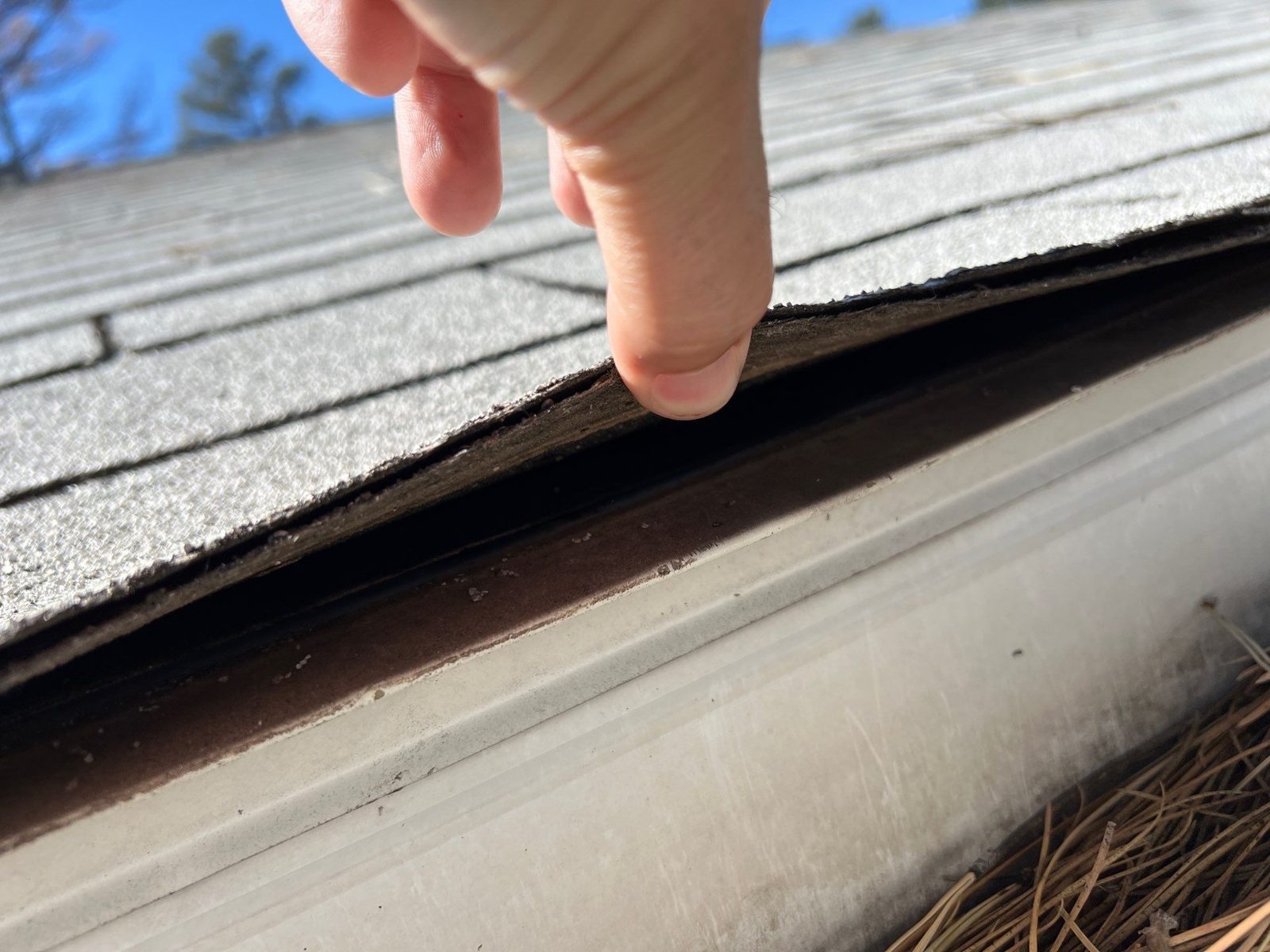
An attorney becomes necessary when the fight is over coverage language itself, when you suspect bad faith, or when the potential recovery justifies statutory fee-shifting remedies some states allow in insurance disputes.
Before hiring either one, run through a short vetting list:
- Confirm state licensing and ask for references tied to roof claims specifically
- Request a sample report or case summary before signing anything
- Get fee structures in writing, whether percentage-based or flat
- Check for DOI complaint history against the adjuster or firm
Avoid anyone who guarantees a specific payout before reviewing your file, and be wary of contractors who push straight to a full replacement before any documentation exists. That sequence, replace first, document later, is exactly what tends to sink an appeal.
How Slade Roofing Helps Homeowners Rebuild a Denied Claim
Slade Roofing has spent more than 20 years working the intersection of insurance and roofing, which matters more than it sounds like it should. Most contractors know roofing. Fewer understand what an adjuster is actually looking for on the page.
When Sladeroof inspects a denied claim, homeowners typically get:
- A detailed inspection report documenting damage patterns and probable cause, not just a general condition summary
- Photo and video evidence organized the way carriers and appraisers expect to see it
- A repair scope built to directly address the specific reason cited in the denial letter
- Coordination support through the insurance claim assistance process, from reinspection through appeal submission
Pro Tip: If your denial letter says “no damage found,” an independent reinspection is often the single fastest way to reopen the claim, especially when the original adjuster’s report was based on a ground-level look rather than a walk on the roof itself.
Reading Your Policy Before You File an Appeal
Most homeowners never read their policy until after a claim goes sideways, and by then, they’re scanning for answers under pressure. Pull your declarations page first. It lists your dwelling coverage limit, deductible, and any endorsements, and it’s often where roof-specific limitations hide.
Look specifically for a few sections. The “perils insured against” section spells out what causes of damage are covered, wind and hail typically are, flood and normal deterioration typically aren’t. The exclusions section is where cosmetic damage clauses and age-based roof depreciation schedules usually live, and these are frequently the exact language cited in a denial. Some policies include a separate roof surfacing endorsement that caps payouts differently than the main dwelling coverage, so don’t assume your roof is covered at the same rate as the rest of the structure.
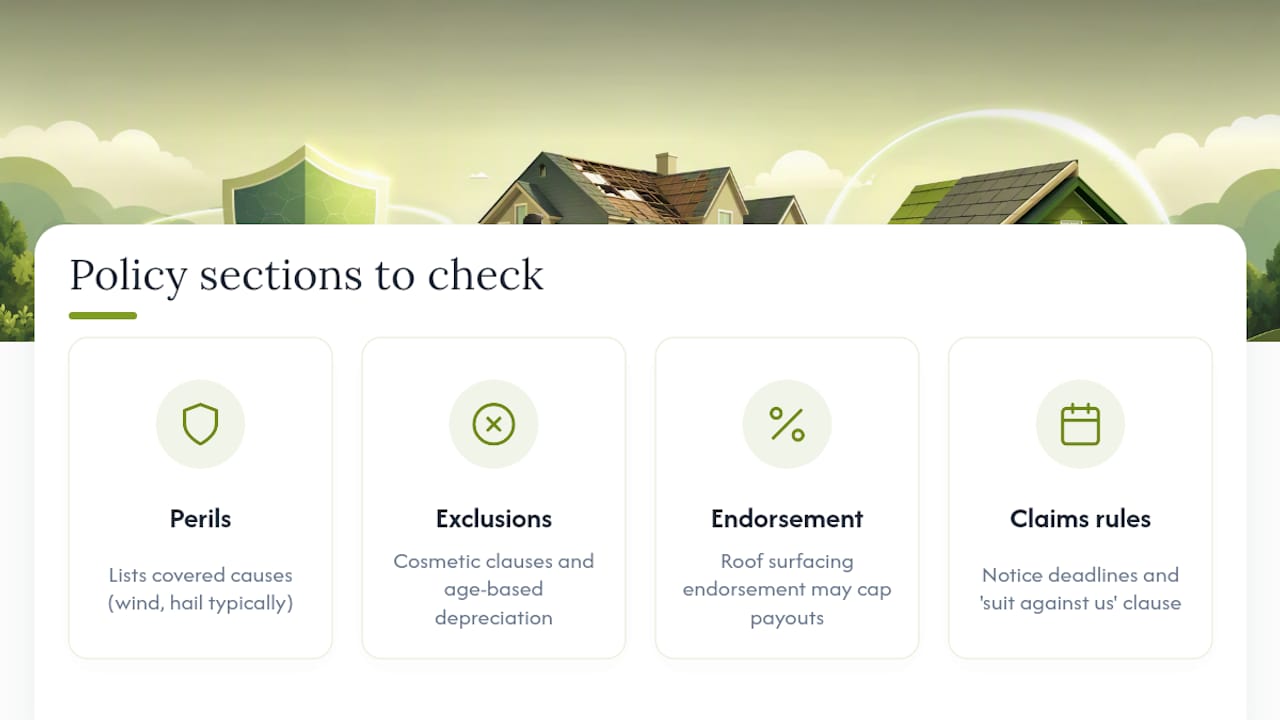
Pay attention to the claims-reporting section too. It sets your notice deadline and often includes that “suit against us” clause mentioned earlier, the contractual window for legal action that can be shorter than your state’s statute of limitations.
If policy language feels dense or contradictory, don’t guess at its meaning. Call your agent and ask them to point to the exact clause in writing, or bring the policy to an independent adjuster or attorney for a plain-language read. Misreading a single exclusion is one of the most common, and most avoidable, reasons appeals fail before they even start.
Talking to Your Insurer Without Sabotaging Your Own Claim
Every conversation with your insurer after a denial is part of the record, whether or not you think of it that way. Put your appeal and any new evidence in writing, sent by certified mail or through the insurer’s documented claims portal, so there’s a timestamped trail if this ends up in front of a regulator or a judge.
Be careful with recorded statements. Guessing at dates or details you’re not certain of can give an insurer grounds to reclassify sudden storm damage as long-term seepage, which is rarely covered. If you’re asked for a recorded statement and you’re not sure of a fact, say so plainly rather than estimating.
Keep a simple call log: date, time, the representative’s name, and a one-line summary of what was said. Reference specific policy sections and claim numbers in every email rather than general complaints. And resist the urge to vent frustration in writing, even when it’s justified. Adjusters and appeals reviewers respond to specific, factual language a lot faster than they respond to tone. A calm, well-documented appeal reads as credible; an angry one reads as a headache to manage.
Preventing the Next Denial Before It Happens
The best defense against a future denial is a paper trail that already exists before you ever need it. Schedule a roof inspection annually, ideally after severe weather season, and keep every report even when nothing’s wrong. A clean inspection history is exactly the kind of maintenance record that undercuts a future wear-and-tear denial.
Save every invoice for repairs, gutter cleaning, and flashing work. Photograph your roof from the ground each season as a simple dated baseline. When a storm does hit, that baseline makes it much easier to prove new damage against old condition.
Material choice matters here too. Impact-resistant shingles and properly installed wind and hail-rated roofing hold up differently in an adjuster’s eyes than standard materials, partly because the damage pattern itself is different and partly because some insurers offer premium discounts for verified impact-resistant installations. A properly engineered roof system with documented installation standards gives you a stronger starting position if you ever need to file again.
Myths That Get Homeowners in Trouble After a Denial
A few persistent myths cause real damage during appeals. The first: a denial is final. It isn’t. It’s a decision based on the information the insurer had at the time, and new evidence changes that calculation constantly.
The second myth: filing an appeal or a DOI complaint will get you flagged as difficult and hurt future claims. There’s no evidence carriers penalize homeowners for legitimate, well-documented appeals. Filing a complaint against a specific denial isn’t the same as filing excessive claims.
Third: “the adjuster is on my side.” Adjusters work for the insurer, not the homeowner, even when they’re professional and courteous. That doesn’t make them adversaries, but it does mean their inspection isn’t a substitute for your own documentation.
Fourth: a full roof replacement is always the strongest move after a denial. Sometimes it’s the worst one, because it can eliminate the physical evidence an appraiser or attorney needs to evaluate your case later.
Does a Denied Claim Raise Your Premiums?
A denied claim, on its own, generally doesn’t raise your premium the way a paid claim can, because insurers typically rate risk based on paid losses and claim frequency rather than denials alone. But there’s a catch worth understanding.
Filing a claim at all, even one that gets denied, can still show up in the claims history insurers pull when you shop for a new policy or renew with your current carrier. Multiple claims filed in a short window, regardless of outcome, sometimes trigger non-renewal or a higher-risk rating at renewal time. This varies significantly by state and carrier, so check your state’s specific rules on non-renewal notice requirements if this is a concern.
The more consequential risk is what happens if the underlying damage never gets repaired. An unrepaired roof can lead to a future denial for a related issue, or in some cases, non-renewal if the insurer’s own inspection flags ongoing deterioration. That’s a strong argument for resolving the current dispute, one way or another, rather than letting it sit unresolved for years.
Get a Second Opinion Before You Accept the Denial
If your roof claim was denied and you’re not sure whether the reason holds up, an independent inspection is the fastest way to find out. Sladeroof’s team builds inspection reports specifically designed to address the reasons carriers cite most often, from disputed storm damage to incomplete original assessments, and coordinates the insurance claim assistance process from reinspection through appeal. If the roof needs work regardless of how the appeal resolves, explore residential roofing services built around the same documentation standards that make future claims easier to defend.
What the Data Actually Tells Homeowners to Do
The conventional advice, “get a second opinion and appeal,” is technically correct and almost useless on its own. What the evidence actually supports is more specific: the single biggest factor separating overturned denials from permanent ones is whether the roof still exists in its damaged state when a second set of eyes examines it. Homeowners who tarp and wait beat homeowners who rebuild and hope, almost every time.
The other place conventional advice falls short is deadlines. Everyone tells homeowners to appeal quickly, but few explain that a policy’s own contractual suit clause can be shorter than the state statute of limitations most articles cite. That gap has quietly killed more legitimate claims than any coverage exclusion.
If you take one thing from this guide, prioritize documentation before conversation. Photograph everything, request the claim file in writing, and get an independent inspection before you argue your case verbally with anyone. The paper trail wins arguments that phone calls never will.
Frequently Asked Questions
What does it mean when a roof claim is denied? It means the insurer, based on the information available at the time, decided the damage doesn’t meet the policy’s coverage terms. The specific reason stated in the denial letter determines whether that decision can be reversed through appeal, reinspection, or additional evidence.
Can I appeal a denied roof claim myself? Yes. Most internal appeals require requesting the claim file, citing the specific policy language in dispute, and submitting new evidence like an independent contractor report. Many documentation-based denials get reversed at this stage without hiring outside help.
How long do I have to file a roof claim appeal? This varies by policy and state, but many insurers set internal appeal windows and policies often include “suit against us” clauses that can be shorter than your state’s general statute of limitations. Check your policy’s claims section immediately after a denial.
Should I get a second roofing inspection after a denial? In most cases, yes, especially if the denial cites “no damage found” or disputes the cause of damage. An independent inspection focused on documenting probable cause is often the deciding factor in a successful appeal.
Will a denied claim raise my insurance premiums? A denied claim alone typically doesn’t raise your premium the way a paid claim can, but filing any claim can appear in your claims history and affect renewal terms or shopping for new coverage, depending on your state and carrier.
When should I hire an insurance attorney instead of a public adjuster? Hire an attorney when the dispute involves coverage interpretation, suspected bad faith, or a carrier that ignored its investigatory duties. A public adjuster is better suited to documentation and negotiation disputes where coverage itself isn’t contested.
Sources
- Claim Denial on a Roof Claim: Reading the Reason — CC Docs
- Why insurance companies deny claims (and what to do) — DKLaw
Recommended
Ready for a real answer on your roof?
Slade Roofing pairs licensed insurance agents with licensed roofers. Get your free inspection in about 30 seconds.
Get My Free Inspection →