
Roof Replacement Cost in 2026: Homeowner’s Guide
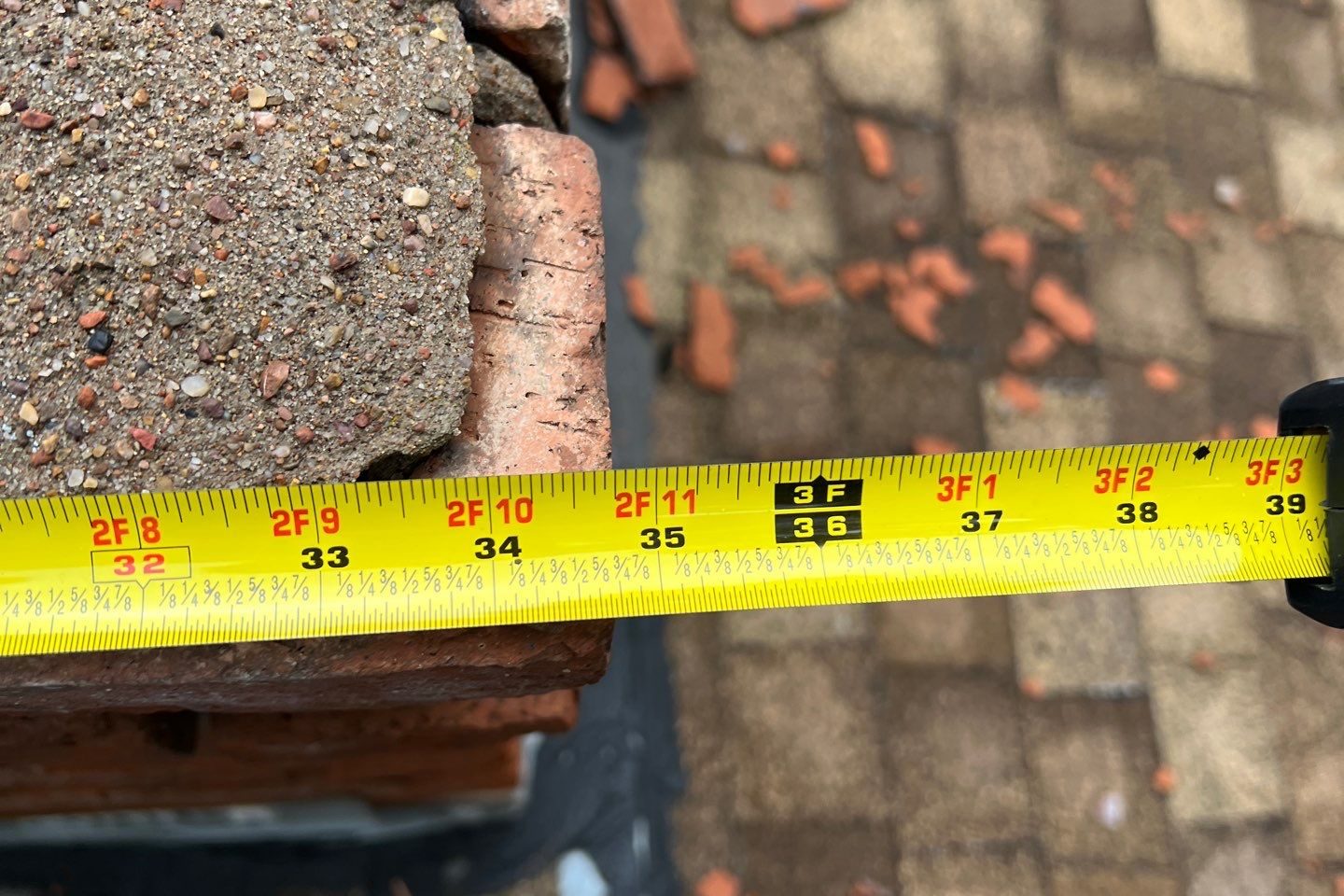
For a typical U.S. single-family home, roof replacement cost for architectural asphalt shingles varies broadly depending on factors like material choice and location, generally centering around a moderate range for a 2,000 sq ft home. Three things move that number more than anything else: the material you choose, where you live, and whether the crew needs to tear off existing layers before installing the new roof.
Quick cost snapshot:
- Low end: $8,500 (small home, simple roof, lower-cost region, asphalt)
- Typical midpoint: $11,200–$15,000 (2,000 sq ft, one-layer tear-off, architectural asphalt, national median market)
- High end: $23,000+ (larger home, steep pitch, complex layout, premium market)
This Old House’s 2026 pricing data puts the average asphalt replacement for a 2,000 sq ft home at roughly $15,439, with most projects falling between $6,885 and $23,993. Industry aggregates from Verisk place the broader replacement-cost average near $17,631, reflecting the sharp rise in material and labor costs since 2021.
Your best first move: measure your roof’s footprint (or pull it from your home’s square footage), then request three itemized bids from licensed local contractors. The sections below give you the math and the questions to ask.
Table of Contents
- How roof replacement cost scales with size and square footage
- How material choice shifts your price and long-term value
- What else drives up the final quote
- How geography moves the price on an identical roof
- How long a roof replacement actually takes
- How to measure your roof and run a first-pass estimate
- Insurance, financing, and warranties: what actually affects your out-of-pocket cost
- How to evaluate roofing bids and avoid contractor scams
- How Sladeroof approaches roof replacement differently
- Key Takeaways
- The part most homeowners get wrong about roof replacement pricing
- Get an itemized Sladeroof estimate for your home
- Useful sources and calculators for homeowners
How roof replacement cost scales with size and square footage
Roofing contractors price jobs in “squares,” not square feet. One roofing square equals 100 sq ft of roof surface. A 2,000 sq ft house does not have a 2,000 sq ft roof — the actual surface area is larger because of pitch, overhangs, and multiple slopes. A modest 6/12 pitch on a 2,000 sq ft footprint typically produces around 22–25 squares of actual roof surface.
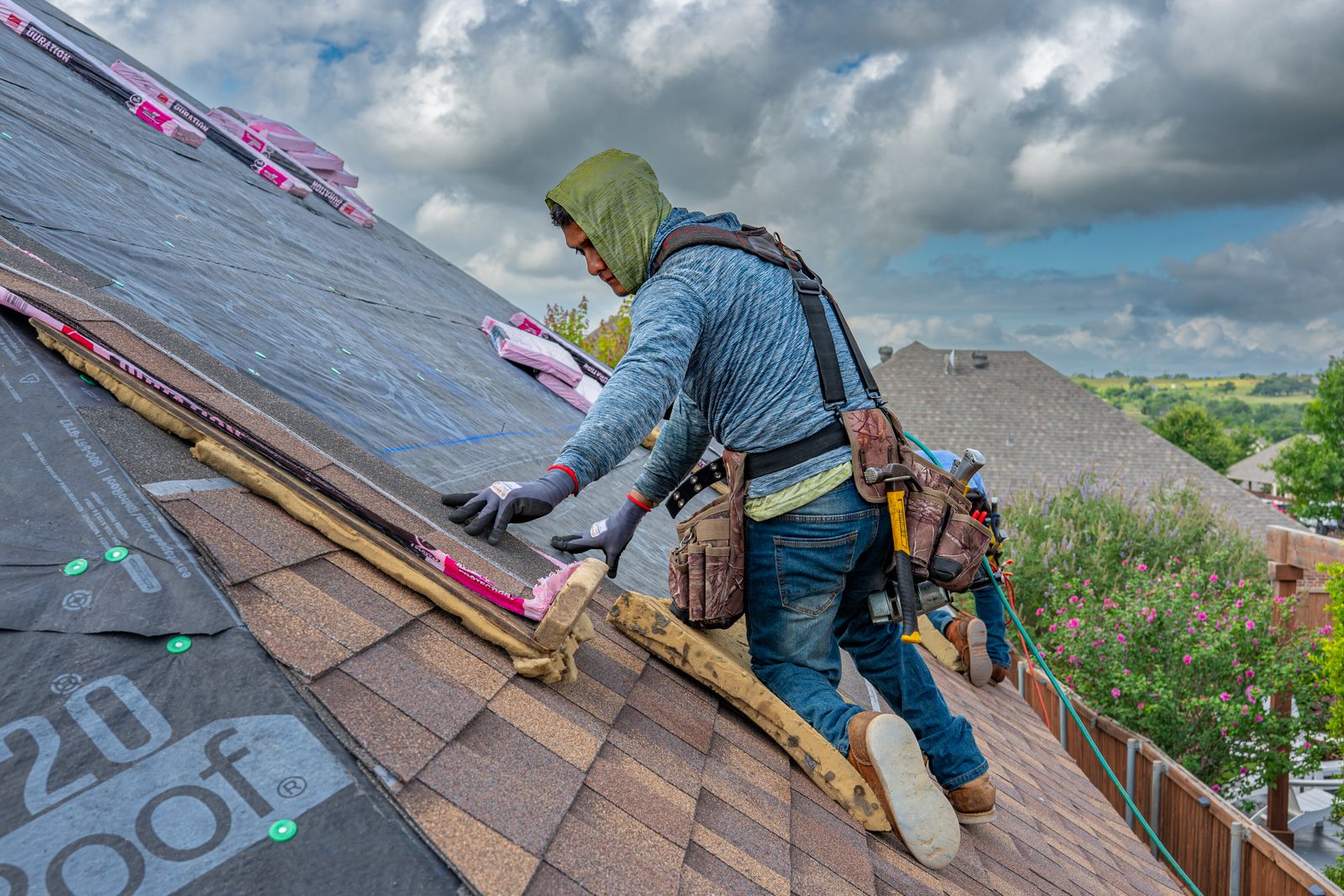
Here is how installed costs break down across common home sizes for architectural asphalt and mid-range metal, based on 2026 installed-rate data:
| Home size (sq ft) | Approx. roof squares | Arch. asphalt range | Standing-seam metal range |
|---|---|---|---|
| 1,200 | 14–15 | $7,000–$13,000 | $14,000–$23,000+ |
| 2,200 | 20–25 | $10,000–$16,000 | $23,000+ |
| 2,300 | 23 | $11,500–$20,500 | $23,000–$41,500 |
| — | 30–40+ | $15,000–$23,000+ | — |
Sample calculation for a 2,000 sq ft home:
- Footprint: 2,000 sq ft
- Pitch multiplier at 6/12: multiply by 1.12 → 2,240 sq ft of roof surface
- Convert to squares: 2,240 ÷ 100 = 22.4 squares
- Apply per-square rate ($500–$900 for architectural asphalt): $11,200–$20,160
For a 2,300 sq ft roof (23 squares) with a one-layer tear-off, the installed total for architectural asphalt ranges from $11,500 to $20,500 and for standing-seam metal from $23,000 to $41,500, according to 2026 estimates.
That range matches what contractors are actually quoting in 2026. The low end assumes a simple gable roof in a mid-cost market; the high end reflects a hip roof with valleys, a steeper pitch, and a coastal labor market.
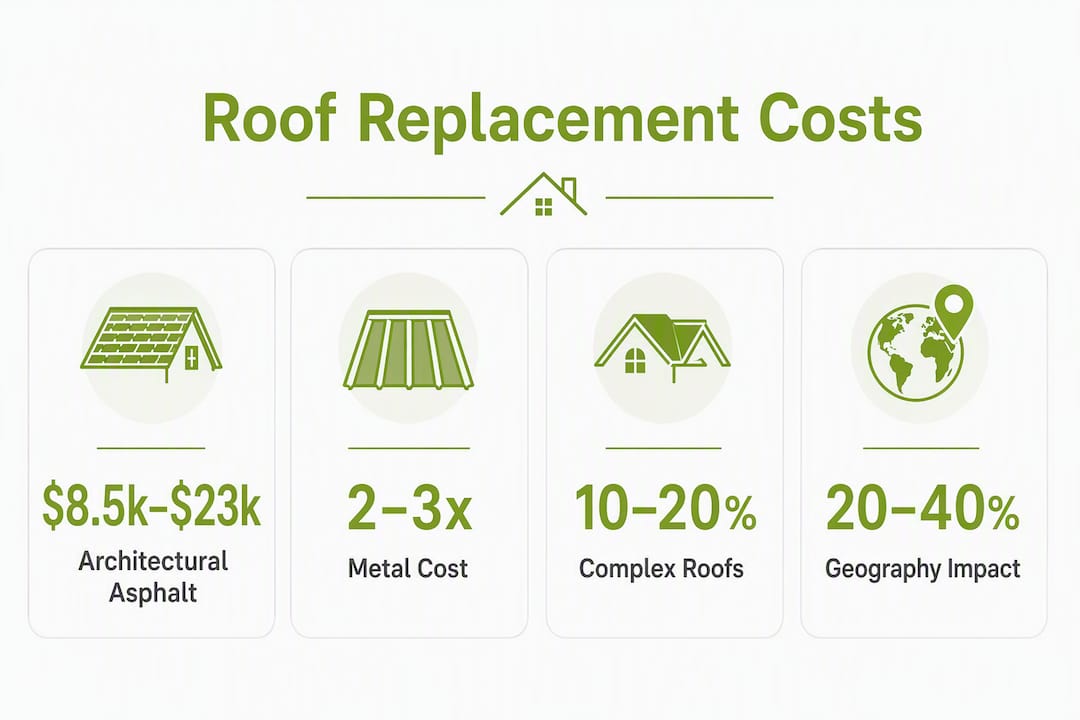
Pro Tip: If your home has dormers, skylights, a chimney, or more than one story, add 10–20% to your estimated surface area before running the math. These features add linear feet of flashing and slow installation, which shows up in both materials and labor.
How material choice shifts your price and long-term value
Material is the single biggest lever for upfront cost. Standing-seam metal generally runs two to three times the installed price of architectural asphalt, but it also lasts two to three times as long and carries different insurance and resale economics. The table below shows installed price bands per square foot, typical lifespan, and the key trade-off for each category.
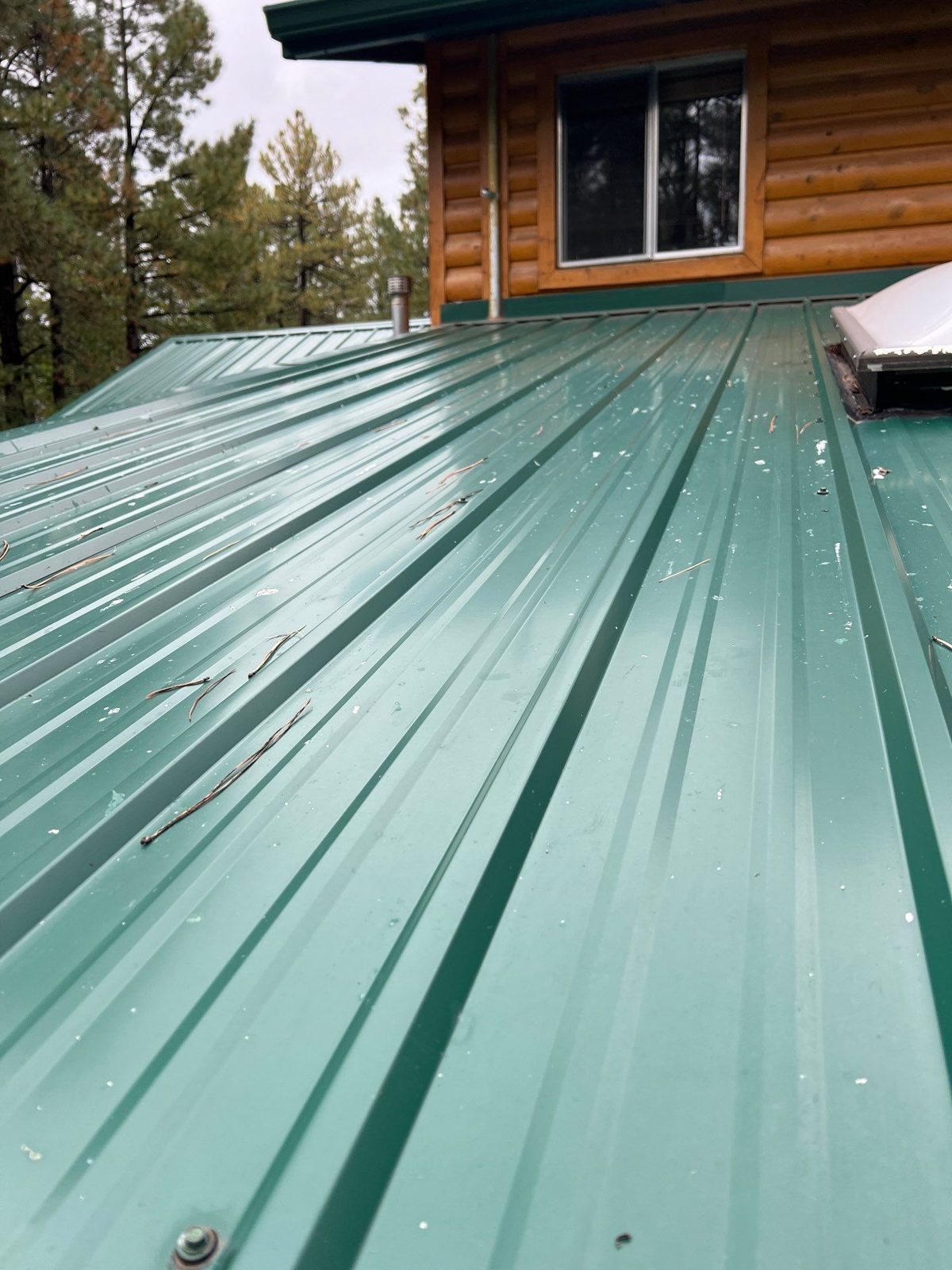
Roofing material costs and lifespans vary widely; architectural asphalt is most common with moderate lifespan and cost, while metal and tile offer longer lifespans at higher upfront costs. Specific installed price ranges depend on region and project scope.
Lifecycle math matters more than sticker price. A homeowner who pays $12,000 for architectural asphalt and replaces it in 25 years will spend more over 50 years than one who pays $22,000 for standing-seam metal that lasts 50+ years. Add in potential insurance savings from impact-resistant materials and the gap narrows further.
Which material fits your situation:
- Selling within 10 years: Architectural asphalt or premium asphalt. Buyers recognize it; ROI is solid.
- Long-term hold: Standing-seam metal or synthetic slate. Fewer replacement cycles, lower lifetime cost.
- Hail-prone states (Idaho, Wyoming, Texas, Colorado): Class 4 impact-resistant shingles. The premium over standard asphalt is modest, and the insurance credits and reduced claim frequency can pay the difference back within a few years. Sladeroof installs impact-resistant options specifically engineered for these conditions.
- Coastal or high-wind zones: Standing-seam metal or high-wind-rated asphalt. Check local code for minimum wind ratings before specifying.
What else drives up the final quote
Labor is typically the largest cost driver on roofing projects, often contributing the majority of total cost, with material price only being one of several factors affecting final quotes.
Common add-on costs to budget for:
- Tear-off (one layer): Usually included in installed-rate quotes, but confirm. A second existing roof layer generally adds a significant premium to the total cost, as removal is more labor-intensive and involves disposal fees.
- Decking repair: If damage to roof decking is found during tear-off, additional repair costs for deck replacement will apply, potentially increasing the overall project budget. Most reputable contractors will not shingle over multiple existing layers precisely because tear-off reveals deck condition.
- Steep pitch premium: Steeper roofs typically incur extra labor and safety costs compared to standard pitches, which can notably raise the overall installation price.
- Underlayment upgrade: Standard felt is included in most quotes; synthetic underlayment or ice-and-water shield in cold climates adds $0.15–$0.50 per sq ft.
- Flashing replacement: Chimney, skylight, and valley flashing often needs replacement alongside shingles. Budget $200–$500 per penetration.
- Ventilation upgrades: Ridge vents, soffit vents, or power ventilators may be required by code or recommended by the installer. Typical cost: $300–$800.
- Permit fees: Vary widely by jurisdiction — $150 to $500+ in most U.S. markets. Some coastal counties charge more.
- Disposal fees: Dumpster rental and landfill tipping fees run $300–$600 on most residential jobs.
Red flag on quotes: Any estimate that arrives as a single lump sum with no line items is a problem. You cannot compare bids, verify scope, or hold a contractor accountable to a vague number. Demand itemized quotes that specify tear-off assumptions, decking allowances, material brand and grade, and permit handling.
How geography moves the price on an identical roof
Two homes with the same footprint and the same material spec can cost 20–40% more in a high-cost coastal metro than in a lower-cost Midwest or Southern market. Regional adjustment data for 2026 confirms this spread, driven by two factors: local labor rates and local building-code requirements.
Roofing labor ranges from roughly $45/hour in lower-cost rural counties to $95/hour in high-cost metros. That gap alone accounts for most of the regional price difference, since labor represents the majority of installed cost. On top of that, code uplift in markets like Florida’s High Velocity Hurricane Zone (HVHZ) or California’s Title 24 energy code mandates specific materials, fastening patterns, and underlayment specs that add real dollars to every job.
Regional price ranges for a 2,000 sq ft architectural-asphalt replacement (2026 estimates):
- High-cost metros (coastal CA, NYC, Boston, Seattle, D.C.): $14,000–$23,000+
- National median markets (most of the Midwest and Mountain West): $10,000–$16,000
- Lower-cost metros (much of the South and rural Midwest): $8,000–$13,000
Idaho, Arizona, and Wyoming — where Sladeroof operates — sit in the national median to slightly above-median range, depending on the specific county and current storm-rebuild demand. After a major hail or wind event, local backlogs can push prices 10–20% above the baseline for several months as contractor capacity tightens.
Seasonal timing also matters. Spring and early summer are peak demand; scheduling in late fall or winter (weather permitting) sometimes opens negotiating room.
How long a roof replacement actually takes
A straightforward asphalt replacement on a single-story home with a simple gable roof typically takes one to two days from tear-off to cleanup. Add complexity — multiple stories, steep pitch, hip-and-valley layout, skylights — and the same job stretches to three to five days. Permit turnaround is often the longest variable; some jurisdictions issue same-day permits, others take one to two weeks.
Typical project sequence:
- Permit pulled (1 day to 2 weeks depending on jurisdiction)
- Tear-off of existing shingles and inspection of decking (half-day to one full day)
- Decking repairs if rot or damage is found (adds half-day to two days)
- Underlayment and ice-and-water shield installation (same day as tear-off on most jobs)
- Flashing installation at penetrations, valleys, and edges
- Shingle installation (one to two days for most homes)
- Cleanup, debris removal, and final inspection (half-day)
Before the crew arrives, do these things:
- Move vehicles out of the driveway and away from the work zone.
- Cover landscaping, patio furniture, and HVAC equipment near the house — debris and nails travel.
- Remove wall art and fragile items from interior walls; vibration from nail guns is real.
- Arrange for pets to be kept away from the work area.
- Confirm the permit is posted or that the contractor has handled it.
Weather is the most common delay. Most contractors will not install shingles in rain or when temperatures drop below about 40°F, since adhesive strips on shingles need warmth to seal properly. Build a one-to-two-day weather buffer into your scheduling expectations.
How to measure your roof and run a first-pass estimate
You do not need to climb on the roof to get a usable estimate. A ground-based measurement of your home’s footprint, combined with a pitch multiplier, gets you within 10–15% of the actual surface area — close enough to sanity-check a contractor’s quote.
Step-by-step:
- Measure the footprint. Walk the perimeter of your home at ground level and measure the length and width of each rectangular section. Multiply length × width for each section, then add them together. Include the garage if it has a connected roof.
- Add overhangs. Add roughly 1–2 feet to each exterior wall measurement to account for eave overhangs.
- Count your slopes. A simple gable has two slopes. A hip roof has four. More slopes mean more waste and more linear feet of flashing.
- Apply the pitch multiplier. Measure the rise over a 12-inch horizontal run (your contractor can tell you, or you can use a smartphone level app on a rafter in the attic).
- Multiply footprint by the pitch factor from the table below.
- Divide by 100 to get squares.
Pitch multiplier table:
| Roof pitch | Pitch multiplier |
|---|---|
| 3/12 (low slope) | 1.02 |
| 4/12 | 1.05 |
| 5/12 | 1.08 |
| 6/12 | 1.12 |
| 7/12 | 1.15 |
| 8/12 | 1.20 |
| 9/12 | 1.20 |
| 10/12 | 1.27 |
| 12/12 | 1.40 |
Sample calculation: 2,000 sq ft footprint + 200 sq ft for overhangs = 2,200 sq ft. Pitch is 6/12, multiplier is 1.12. Adjusted surface: 2,200 × 1.12 = 2,464 sq ft. Divide by 100 = 24.6 squares. For a 2,200–2,300 sq ft roof (22–23 squares), the 2026 installed cost range for architectural asphalt is $11,500–$20,500, following national contractor and cost aggregation data.
Safety note: Do not walk your roof to measure it. Ground-level measurement plus an attic check for pitch is all you need. If you cannot safely access the attic, ask your contractor to confirm the pitch before you run the math.
Insurance, financing, and warranties: what actually affects your out-of-pocket cost
When insurance covers replacement
Homeowners insurance covers roof replacement when damage is caused by a covered peril — hail, wind, fire, falling trees. It does not cover wear, aging, or maintenance neglect. The key distinction: storm damage is a claim; a 25-year-old roof that has simply worn out is not. Before filing, review your policy for whether it pays actual cash value (ACV) or replacement cost value (RCV). ACV policies deduct depreciation, which can leave you with a significant gap between the payout and the actual replacement cost.
When deciding whether to file, understanding the repair vs. replacement threshold matters. A claim that barely exceeds your deductible may not be worth filing if it raises your premium for three to five years.
Warranty types — what each actually covers:
- Manufacturer product warranty: Covers defects in the shingle itself, typically 30–50 years. Does not cover installation errors.
- Workmanship warranty: Covers the contractor’s installation quality. Ranges from 1 year (low-end contractors) to 25 years (premium installers). This is the one that matters most in the first decade.
- Leak warranty: A specific guarantee that the roof will not leak for a defined period. Sladeroof offers a 25-year leak warranty, which is well above the industry norm.
Financing options:
- Personal loan: Fixed rate, no home equity required. Rates vary by credit score; terms typically 3–7 years. Best for homeowners without significant equity or who want a fast decision.
- HELOC (Home Equity Line of Credit): Lower rates than personal loans, but your home is collateral. Works well for larger projects where you want flexibility.
- Contractor payment plans: Some contractors offer in-house financing or partner with third-party lenders. Read the terms carefully — deferred-interest plans can be expensive if not paid off in the promotional window.
- Insurance claim advance: If a claim is approved, some contractors will begin work against the insurance payout, reducing your immediate out-of-pocket to the deductible amount.
Pro Tip: Document everything before your adjuster visit — date-stamped photos of damage, any hail reports for your zip code, and the age of your current roof. An adjuster’s initial scope is not always final; a contractor experienced in insurance claim assistance can identify missed line items and negotiate a more complete settlement.
How to evaluate roofing bids and avoid contractor scams
Getting three bids is the minimum. Getting three comparable bids is the actual goal — and that requires asking the same questions of every contractor.
Must-ask questions before signing anything:
- Are you licensed in this state, and can you provide your license number?
- Do you carry general liability and workers’ compensation insurance? (Ask for certificates, not just verbal confirmation.)
- How many layers are currently on my roof, and does your quote include full tear-off?
- What brand, grade, and wind/impact rating are the shingles you’re specifying?
- What decking allowance is included, and what is your per-sheet rate for additional repairs?
- Who pulls the permit, and is the permit fee included in your quote?
- What is your workmanship warranty, and is it in writing?
- What are the start and projected completion dates?
- What is the payment schedule? (Never pay more than 10–30% upfront.)
- Who is my point of contact if something goes wrong after installation?
Red flags that should end the conversation:
- No written contract or scope of work
- Demands for more than 50% payment before work begins
- No mention of permits (“we don’t need one for this job”)
- Unusually low bid with vague scope (“full replacement, all included”)
- Storm chasers who appeared at your door the day after a hail event with no local address or references
- Pressure to sign immediately or “lose the price”
Normalizing bids for comparison: When you have three quotes in hand, line them up on these dimensions: tear-off assumptions (one layer vs. two), material brand and grade, decking allowance, underlayment spec, flashing scope, and warranty terms. A bid that looks $2,000 cheaper may be using a lower-grade shingle, skipping a decking allowance, or omitting the permit fee. Sladeroof’s contractor vetting guide walks through this comparison process in detail.
How Sladeroof approaches roof replacement differently
Sladeroof brings over 20 years of combined expertise in both roofing and insurance — a combination that most contractors simply do not have. That dual background shapes how every replacement is designed, not just installed.
Services Sladeroof offers homeowners:
- Full residential roof inspections and damage assessments
- New roof installations and complete replacements
- Emergency repairs after storm events
- Impact-resistant, wind-rated, hail-rated, and fire-rated material options
- Insurance claim assistance from documentation through adjuster negotiation
- Eco-conscious roofing options for homeowners focused on energy performance
Sladeroof operates in Idaho, Arizona, and Wyoming — markets where hail, wind, and severe weather are routine, not exceptional. That context drives the company’s focus on engineered installations that reduce future claim frequency rather than simply replacing what was there before.
Warranty terms Sladeroof stands behind:
- 25-year leak warranty
- 50-year product warranty
Those numbers are not marketing language. A 25-year leak warranty means Sladeroof is accountable for the installation quality for a quarter century — which is why the installation process is designed to meet high industry standards from the first nail to the final inspection.
Pro Tip: Upgrading to Class 4 impact-resistant shingles adds a modest cost at installation but can qualify you for insurance premium discounts in hail-prone states. In Idaho and Wyoming, where hail events are frequent, that credit often pays back the upgrade cost within three to five years — and the replacement cycle is shorter in hail states, so fewer re-roofs over a 30-year period. Sustainable roofing choices like upgraded underlayment and proper ventilation compound these savings further.
Key Takeaways
A typical U.S. roof replacement costs $8,500–$23,000 for architectural asphalt, with material choice, local labor rates, and tear-off complexity as the three biggest price drivers.
| Point | Details |
|---|---|
| National cost range | Architectural asphalt runs $8,500–$23,000 for most homes; the midpoint for a 2,000 sq ft home is roughly $11,200–$15,000. |
| Material is the biggest lever | Standing-seam metal costs two to three times architectural asphalt installed but lasts two to three times as long. |
| Geography adds 20–40% | High-cost coastal metros run 20–40% above lower-cost Midwest and Southern markets for identical scope. |
| Measure before you call | Multiply your home’s footprint by the pitch factor, divide by 100 for squares, then apply per-square rates to get a realistic range. |
| Sladeroof’s advantage | Sladeroof backs every replacement with a 25-year leak warranty and 50-year product warranty, plus insurance claim assistance in Idaho, Arizona, and Wyoming. |
The part most homeowners get wrong about roof replacement pricing
Most homeowners treat a roof replacement as a commodity purchase — get three bids, pick the lowest, move on. That logic works fine for a new dishwasher. It fails badly for a roof, and here is why: the cheapest bid almost always reflects a cheaper installation, not a cheaper price for the same work.
The line items that separate a $10,000 quote from a $14,000 quote on the same house are usually not the shingles. They are the underlayment spec, the flashing detail at penetrations, the decking allowance, and the workmanship warranty. A contractor who skips synthetic underlayment saves $400 on materials. You pay for it in a leak five years later that your manufacturer’s warranty will not cover because the installation was substandard.
The second thing homeowners underestimate is the insurance angle. A properly engineered replacement — Class 4 shingles, correct ventilation, documented installation — is not just a better roof. It is a financial instrument. In hail-prone states, the premium discount on a Class 4 installation can run $200–$500 per year. Over 20 years, that is $4,000–$10,000 back in your pocket, which reframes the “expensive” bid as the cheaper long-term option.
The third mistake is treating the adjuster’s first offer as final. Insurance adjusters work from scope sheets, and scope sheets miss things — especially on complex roofs with multiple penetrations, steep pitches, or code-triggered upgrades. A contractor who understands the claims process can identify those gaps and document them before the check is cut. That is not gaming the system; that is getting paid for what the storm actually damaged.
Get an itemized Sladeroof estimate for your home
Sladeroof gives homeowners in Idaho, Arizona, and Wyoming something most contractors do not: a replacement designed to lower your total cost of ownership, not just replace what failed.
The process is straightforward. Request an inspection, and Sladeroof will assess your current roof’s condition, identify storm damage, and produce a written, itemized estimate that specifies materials, tear-off scope, warranty terms, and permit handling. If your damage qualifies for an insurance claim, Sladeroof’s team handles the documentation and adjuster coordination so you are not navigating that process alone.
For residential roofing services in Idaho, Arizona, and Wyoming, or to get help with an insurance claim, contact Sladeroof to schedule a site visit. A written estimate costs you nothing; a poorly installed roof costs you for decades.
Useful sources and calculators for homeowners
Use these resources to validate contractor quotes, run your own estimates, and check regional pricing before signing anything.
- RemodelCalculators — Roof Replacement Cost (2026): Per-square installed rates by material, size-band tables, and tear-off cost breakdowns. One of the more detailed free calculators available.
- This Old House — New Roof Cost Guide (2026): Survey-backed national averages and material comparisons. Good for cross-checking a contractor’s per-square pricing against national norms.
- Vector Claims Solutions — Repair vs. Replacement Guide: Practical framework for deciding whether to file an insurance claim and how to evaluate the repair vs. full replacement threshold.
How to use a cost calculator effectively: Enter your home’s square footage, select your roof pitch (or use “average” if unknown), choose your material, and note whether tear-off is included. Then compare the calculator’s output against each contractor’s per-square rate. If a bid is more than 20% below the calculator’s range for your market, ask the contractor to explain what is different about their scope — not to catch them in a lie, but because something usually is different, and you need to know what.
Always check your local jurisdiction’s permit fee schedule before finalizing your budget. Some counties post fee tables online; others require a call. A contractor who says permits are not required for a full replacement in a jurisdiction that clearly requires them is a contractor to avoid.
Recommended
Ready for a real answer on your roof?
Slade Roofing pairs licensed insurance agents with licensed roofers. Get your free inspection in about 30 seconds.
Get My Free Inspection →